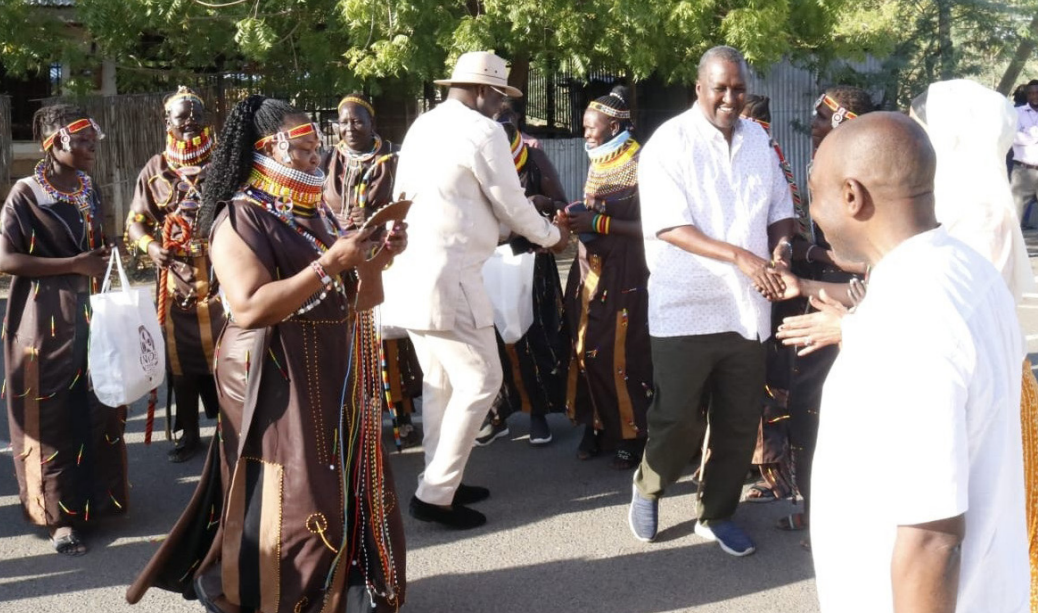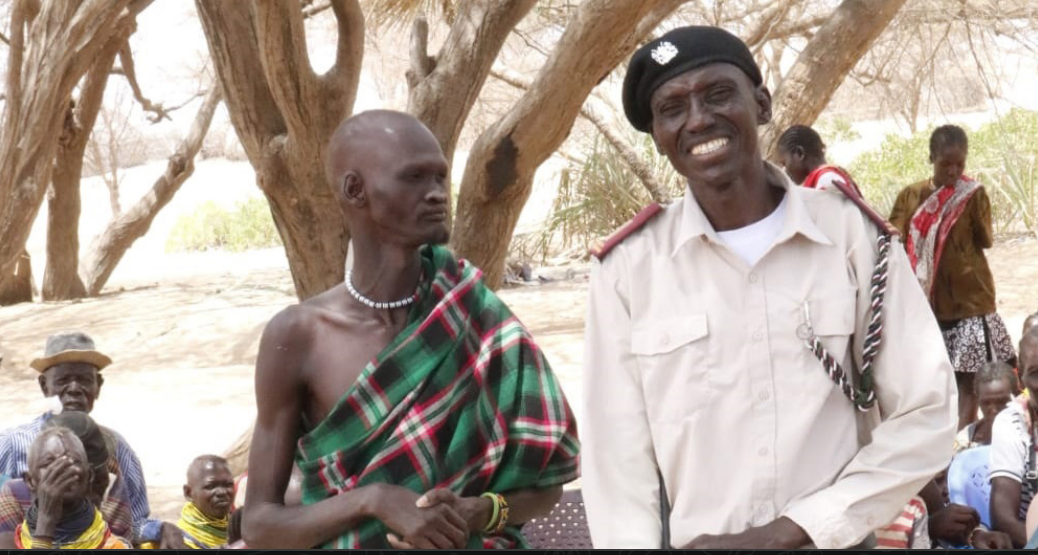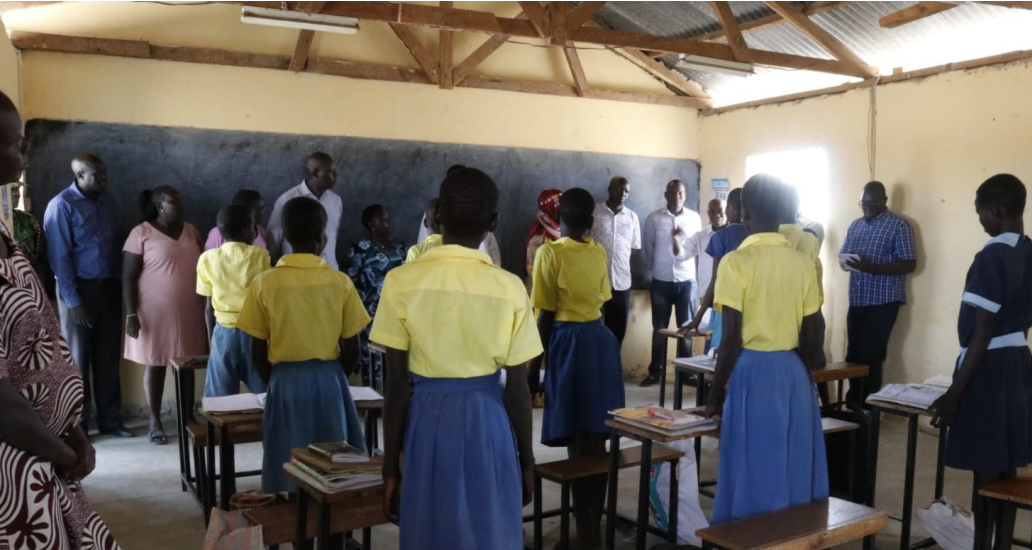
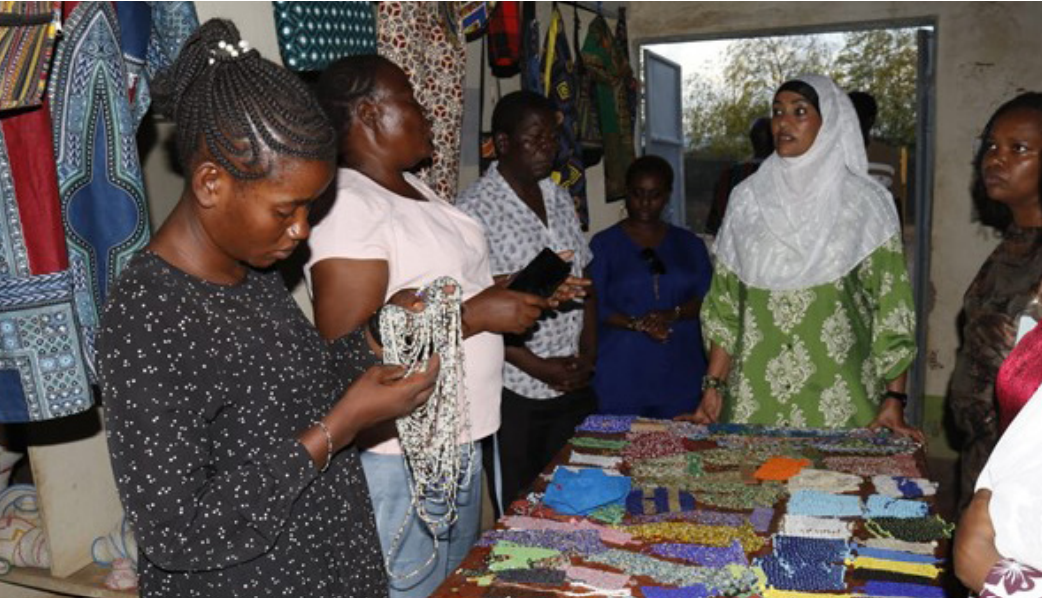
The Chairperson of the National Gender and Equality Commission, Hon. Rehema Jaldesa, has noted improvements in conditions at the Kalobeyei Integrated Settlement since the Commission’s 2019 mission to Kakuma and Kalobeyei. The Commission toured economic empowerment and health facilities at the settlement on Tuesday 6 October 2026, after its engagement with the Deputy County Commissioner for Turkana West in Kakuma. Hon. Jaldesa called for appropriate measures in refugee management under the Shirika Plan to ease tensions between refugees and host communities.
SEVEN YEARS ON
The Commission’s 2019 report, Hard Living: Equality and Inclusion of Refugees in Kenya, recorded that land for the Kalobeyei settlement was identified after new arrivals in 2014 pushed Kakuma beyond its capacity by more than 58,000 people.
At the end of August 2019, Kakuma and Kalobeyei together hosted 191,500 registered refugees and asylum-seekers. The population has since grown. Turkana now hosts more than 320,000 refugees and asylum-seekers.
THE SHIRIKA PLAN
The Shirika Plan seeks to move refugee camps towards integrated settlements in which refugees and host communities share services and economic opportunities. Heads of 14 United Nations agencies conducted a joint mission to Kakuma and Kalobeyei from 2 to 4 September 2026 to align their support with the Government’s priorities under the plan.
Food assistance arrangements have also changed since 2019. After funding cuts, the World Food Programme and UNHCR introduced differentiated assistance, under which roughly one third of refugees receive no food assistance.
In Kakuma earlier in the day, the Deputy County Commissioner told the Commission that investment in the settlements had not always reached host communities at the same level, a gap the Shirika Plan is intended to close.
.JPG)