
National Gender Research Agenda for Kenya
A national framework for coordinated, evidence-based gender research
About the National Gender Research Agenda
The National Gender and Equality Commission (NGEC) has developed the National Gender Research Agenda for Kenya to guide coordinated, evidence-based research that advances gender equality and inclusion across the country. The Agenda provides a national framework for identifying priority gender research areas, strengthening collaboration among stakeholders, and ensuring that research evidence informs policy, programming, and advocacy.
Background
Kenya has made notable progress in establishing a strong legal and policy framework for gender equality. The Constitution of Kenya 2010 guarantees equality and freedom from discrimination, while national policies integrate gender considerations across sectors. Despite these advances, gender disparities remain evident in employment, leadership representation, access to education, property ownership, and exposure to gender-based violence.
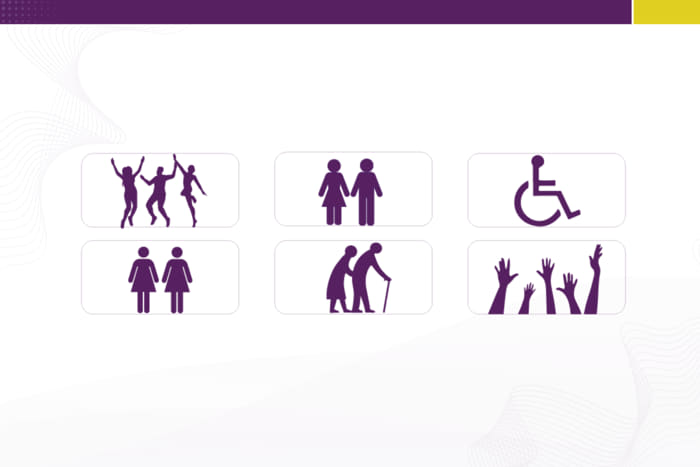
Women, youth, persons with disabilities, Older Members of Society, children, and marginalized communities—collectively referred to as Special Interest Groups (SIGs)—continue to experience structural barriers that limit equal participation and opportunities. Addressing these inequalities requires reliable data and coordinated research efforts to understand root causes and develop effective solutions.
Purpose of the National Gender Research Agenda
The National Gender Research Agenda provides a strategic roadmap to guide gender research in Kenya. Its purpose is to:
Promote Coordinated Research
Foster collaborative gender research among government institutions, academia, civil society, and development partners.
Generate Actionable Evidence
Produce credible evidence to inform gender-responsive policies, programmes, and legislation.
Strengthen Data Systems
Improve knowledge management on gender equality and the status of Special Interest Groups.
Support Evidence-Based Advocacy
Enable informed decision-making at national and county levels through reliable research outputs.
Track Progress and Accountability
Inform accountability mechanisms for advancing equality and freedom from discrimination.
Key Research Focus Areas
The Agenda prioritizes research that addresses critical and emerging issues affecting gender equality in Kenya, including:
Root Causes of Gender Inequality
Investigating structural, cultural, economic, and institutional factors that perpetuate gender disparities.
Intersectionality and Inclusion
Examining how overlapping identities—such as gender, disability, age, ethnicity, and socio-economic status—affect access to opportunities and rights.
Gender Transformation and Social Norms
Understanding attitudes, behaviors, and cultural practices that influence gender roles and exploring pathways for transformative change.
Systemic and Institutional Barriers
Assessing policies, governance structures, and institutional practices that affect gender equality and inclusion.
Emerging and Contemporary Gender Issues
Identifying new and evolving challenges including technological changes, climate impacts, economic shifts, and social transitions.
Importance of a Coordinated Research Framework
Historically, gender-related research in Kenya has been conducted by multiple institutions independently, often resulting in fragmented data and limited coordination. The National Gender Research Agenda addresses this gap by:
Harmonizing Research Priorities
Aligning research priorities across institutions to ensure complementary and consistent efforts.
Encouraging Data Sharing
Fostering collaboration and open exchange of data and findings between research stakeholders.
Reducing Research Duplication
Minimizing redundant efforts and maximizing the impact of limited research resources.
Standardizing Data Collection
Promoting standardized data collection and reporting frameworks for comparable, reliable evidence.
This coordinated approach will enable the development of a robust national knowledge base on gender equality, supporting long-term policy planning and targeted interventions.
Expected Outcomes
Implementation of the National Gender Research Agenda will:
Strengthen Evidence-Based Policy
Improve the quality and use of evidence in policy and decision-making processes at all levels.
Improve Data Availability
Enhance the quality and availability of data on gender equality and Special Interest Groups.
Enhance Collaboration
Strengthen partnerships among research institutions and stakeholders for coordinated impact.
Support Monitoring and Evaluation
Provide a sound evidence base for tracking and evaluating gender equality initiatives and programmes.
Accelerate Inclusive Progress
Drive faster progress toward a more inclusive and equitable society for all Kenyans.
Call for Collaboration
The success of the National Gender Research Agenda depends on the active participation of a wide range of stakeholders.
Through collective effort and shared knowledge, Kenya can build a strong evidence base that supports sustainable, inclusive, and transformative gender equality outcomes for all.
Collaborate with Us
Equality and inclusion are at the heart of sustainable development.
Together, we can build a national knowledge base that drives transformative change.
Partner with the National Gender and Equality Commission to advance the National Gender Research Agenda for all Kenyans.
Agenda at a Glance
Research Focus Areas
Latest News
.JPG)



Get In Touch
Interested in collaborating on the National Gender Research Agenda? Reach out to us.
Email Us