The Commission’s Nakuru Regional Office, working with the National
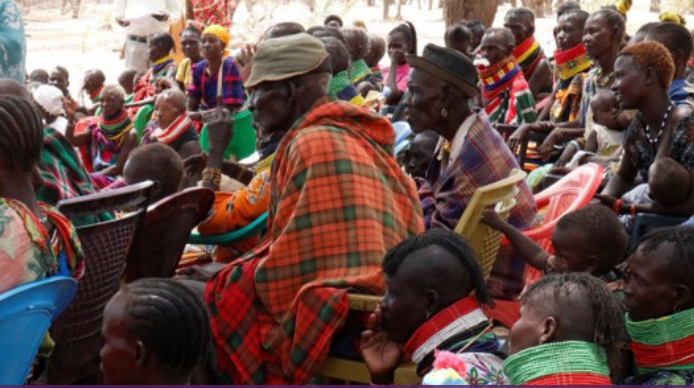
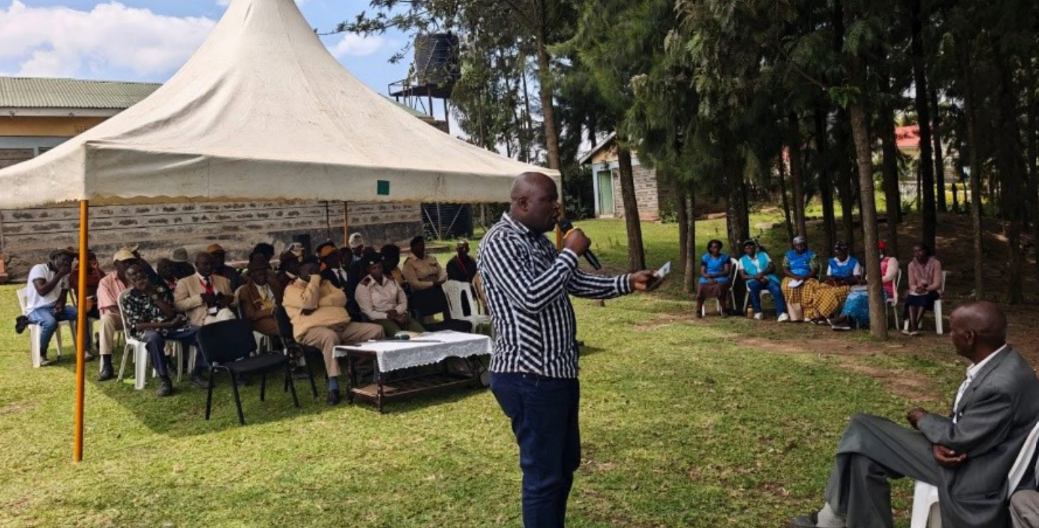
Government Administrative Office, held a public education forum at Kapkures in Nakuru West Sub-County, part of a continuing grassroots outreach programme delivered through chiefs’ barazas.
The forum set out the Commission’s mandate, the rights of Special Interest Groups, and the routes available to a person who experiences discrimination, inequality or the denial of equal opportunity. Discussion covered the rights and concerns of women, youth, persons with disabilities, children, older members of society, minorities and marginalised communities, with residents raising questions and issues from their own circumstances.
The exchange was active, which is itself informative. It indicates a demand for direct contact between citizens and the institutions responsible for protecting their rights, and a gap that formal channels have not closed.
Public education is not peripheral to the Commission’s work. Section 8 of the National Gender and Equality Commission Act, 2011 requires the Commission to coordinate and advise on public education programmes that build a culture of respect for equality and freedom from discrimination, and to investigate complaints of violations of equality and non-discrimination. The two functions depend on each other. Complaints reach an institution only from people who
know it exists and know what it does.
Complaints may be lodged with the Commission in person, online, by
email, by post or by courier. Kapkures was therefore more than an information session. It connected a community to a public institution and to the machinery of redress, and allowed the Commission to hear directly about the barriers residents encounter in reaching services, opportunities and rights. The Commission will continue to expand these engagements with national and county institutions.