In Nakuru County, the conversation around gender equality is no longer confined to boardrooms or policy documents. It is unfolding in classrooms where teenage mothers struggle to return to school, in health facilities where young girls seek treatment after abuse, and in homes where silence often hides deep trauma.
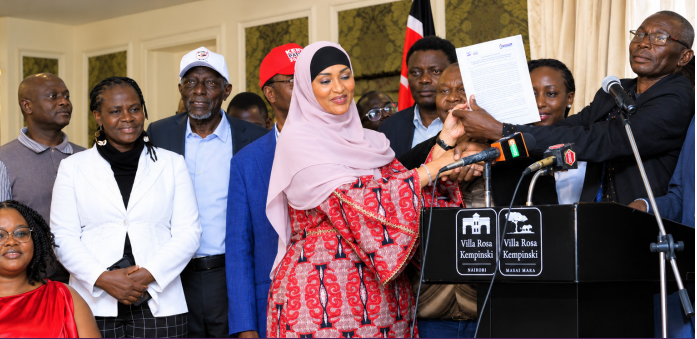
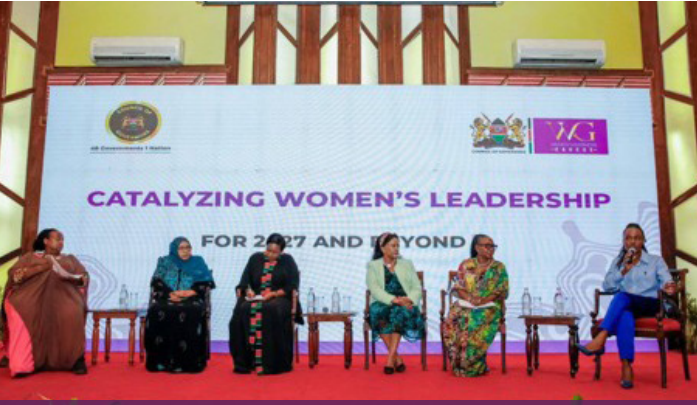
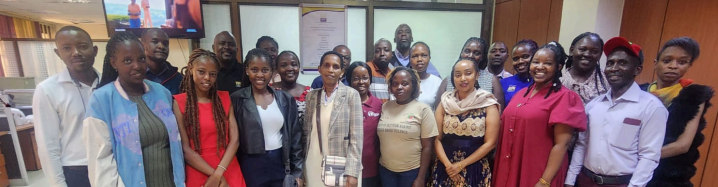
These realities framed a high-level meeting convened by the National Gender and Equality Commission through its Nakuru Regional Office, which brought together the Nakuru County Gender Technical Working Group with support from the National Syndemic Diseases Control Council. The forum sought to align the county’s annual gender workplan and lay the groundwork for the commemoration of International Women’s Day 2026.
Across Nakuru, schools, health facilities, and community structures continue to report troubling trends. Adolescents remain among the most vulnerable groups, with rising cases of teenage pregnancy and new HIV infections, often linked to sexual violence, poverty, and limited access to youth-friendly services. For many families, these are not distant policy issues but everyday struggles affecting their daughters, sons, and communities.
The meeting reaffirmed the Gender Technical Working Group as a strategic platform for coordination, partnership, and accountability. Participants noted that gender challenges rarely exist in isolation. A girl who experiences sexual violence is more likely to drop out of school, become pregnant, and face heightened vulnerability to HIV infection. Without coordinated interventions, the cycle continues across households and generations.
To address these interconnected risks, members committed to strengthening the eleven gender-based violence clusters operating across the county’s sub-counties. These clusters serve as the first point of response for survivors, linking them to medical care, psychosocial support, legal assistance, and protection services.
However, many of these local structures operate under severe resource constraints, limited training, and inconsistent coordination. Stakeholders therefore agreed on the need for targeted capacity building, improved referral systems, and resource mobilisation to strengthen frontline services.
Education officials at the meeting underscored the critical role schools play in prevention and early intervention. In many institutions, teachers have become the first to notice signs of abuse, absenteeism linked to pregnancy, or behavioural changes associated with trauma.
The National Gender and Equality Commission reiterated its resolve to champion collaborative interventions that translate policies into real-life impact. Officials noted that confronting the triple threat will require sustained political will, adequate funding, and active community participation. As Nakuru prepares for International Women’s Day, the message from the Technical Working Group is clear: the fight against gender inequality must move from discussion to decisive action.