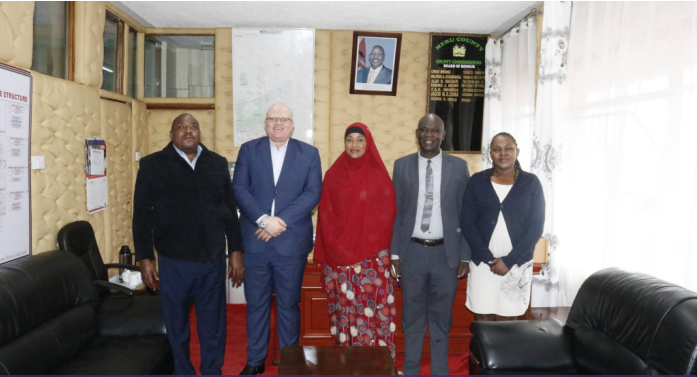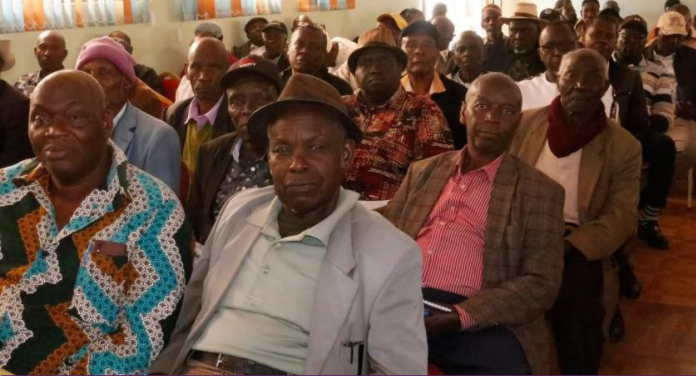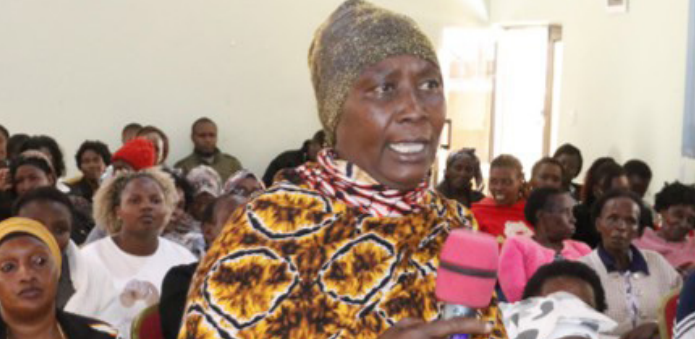
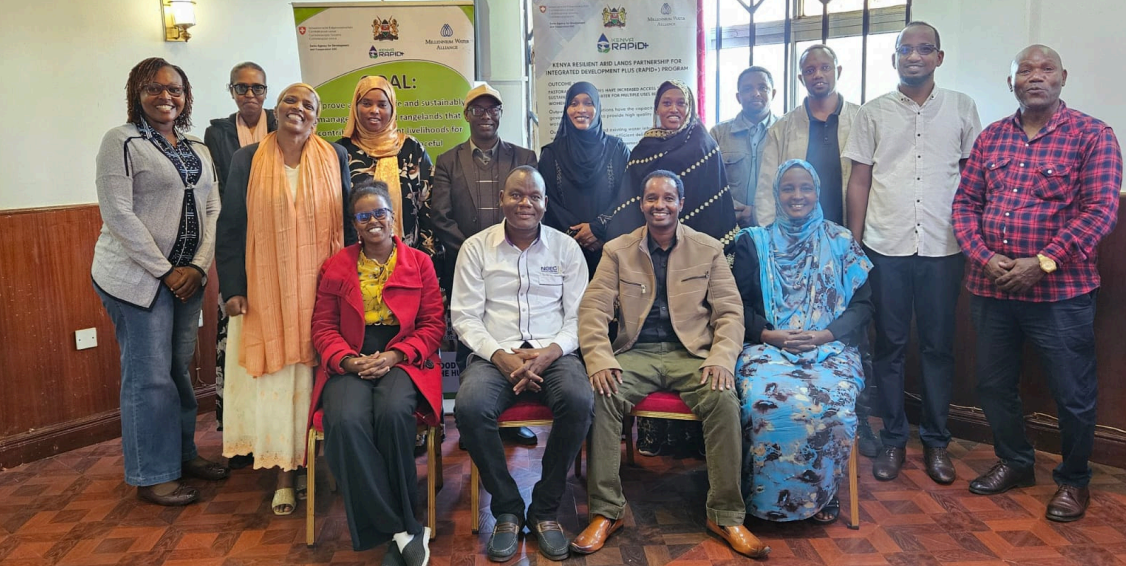
Kenya’s efforts to align public expenditure with constitutional equality and inclusion obligations have intensified, with the National Gender and Equality Commission (NGEC) leading Gender Responsive Budgeting (GRB) engagements across Turkana, Marsabit and Wajir counties.
The engagements, which brought together county executives, finance officers, civil society organisations and development partners, focus on strengthening how public budgets are planned, allocated and assessed to reflect the needs of women, men, youth, persons with disabilities, older persons and marginalised communities.
The initiative comes amid growing recognition that county budgets directly determine access to essential services and that financial allocations remain a key driver of inequality or inclusion in Kenya’s devolved system.
Across Kenya, public budgets are increasingly being analysed beyond their fiscal function, with growing emphasis on their role as instruments that shape social and economic outcomes.
Under the devolved system, county governments control major service delivery sectors including health, water, agriculture, early childhood education, local infrastructure and markets.
These sectors directly affect household welfare and determine access to basic rights in practice.
Despite constitutional guarantees of equality, analysis of public finance systems shows that budgeting processes often do not systematically integrate gender or inclusion analysis. In many cases, allocations are made without detailed assessment of how different population groups are affected by public spending decisions.
This gap has contributed to persistent inequalities in access to services, particularly affecting women, persons with disabilities, youth and communities in arid and semi-arid regions.
Gender Responsive Budgeting is a public finance approach that integrates equality considerations into all stages of budgeting, from planning and formulation to implementation and evaluation.
It does not create separate budgets for specific groups. Instead, it examines whether government revenue and expenditure decisions respond to the different needs and circumstances of the population. The approach is grounded in the principle that equal allocation of resources does not automatically produce equal outcomes. It therefore focuses on whether public spending reduces or reinforces existing inequalities.
In Kenya, official GRB guidelines are designed to support ministries, departments and counties in mainstreaming gender considerations into planning and budgeting processes, while also enabling tracking of outcomes across sectors.
However, implementation remains uneven, with limited integration of gender analysis into mainstream budget documentation and planning cycles. Kenya’s Constitution provides the legal foundation for equality, non-discrimination and equitable access to public services. These principles extend to public finance management and require that state resources be distributed in a manner that promotes fairness and inclusion.
County governments remain central to the success of Gender Responsive Budgeting because they control sectors that directly shape daily life outcomes.
Health budgets determine availability of maternal services and emergency care. Water infrastructure influences time use and household productivity. Agricultural spending affects livelihoods in rural and pastoralist economies. Education allocations shape long-term human capital development.
Because of this proximity to citizens, county budgeting decisions often have more immediate and visible impacts than nationallevel fiscal policy. Where budgets fail to reflect differentiated needs, service delivery gaps tend to widen, particularly for groups already facing structural disadvantages.
The engagements in Turkana, Marsabit and Wajir counties reflect the growing emphasis on addressing inequality in regions facing compounded development challenges. These counties are characterised by arid and semiarid conditions, dispersed settlements, limited infrastructure networks and frequent exposure to drought and climate shocks.
These factors increase the cost of accessing basic services and intensify vulnerability among households. Stakeholders involved in the engagements noted that in such contexts, budgeting decisions must go beyond uniform allocations and instead incorporate vulnerability and equity considerations.
For example, the location of water infrastructure affects time burdens disproportionately borne by women and girls. The distribution of health facilities influences maternal health outcomes and emergency response capacity. Investment in livestock and climate resilience programmes determines household stability during drought cycles.
Despite policy recognition, several structural challenges continue to limit the effective implementation of Gender Responsive Budgeting.
A key constraint is the limited availability of disaggregated data that captures differences by gender, age and disability status. Without this information, it becomes difficult to assess whether public spending addresses specific needs or reproduces existing inequalities.
Technical capacity within budgeting systems is another challenge. While finance officers are trained in fiscal planning, many lack specialised skills in gender and inclusion analysis, reducing the integration of GRB principles into mainstream budgeting processes.
Institutional fragmentation further complicates implementation, as gender mainstreaming functions are often separated from core budget-planning units, limiting coordination during the formulation and evaluation stages. In addition, many budgeting systems continue to rely on historical allocation patterns rather than updated assessments of need, which can entrench existing disparities over time.
Public participation is a legal requirement in Kenya’s budgeting process, but its effectiveness remains uneven. In many cases, consultations occur late in the budget cycle, after key priorities have already been determined. Technical budget documents are often not accessible to non-specialist participants, limiting meaningful engagement.
Representation of women, youth and persons with disabilities in decision-making forums also remains inconsistent, affecting the inclusiveness of inputs received during consultations. These limitations have prompted increased emphasis on strengthening participation mechanisms so that citizen input informs actual allocation decisions rather than serving as procedural compliance.
Policy discussions increasingly highlight the economic cost of exclusion in public finance systems. When women and girls spend significant time on unpaid care work due to inadequate infrastructure, labour productivity is reduced. When persons with disabilities are excluded from services and economic opportunities, potential economic output is lost. When youth lack access to training and employment pathways, long-term economic growth is constrained.
From this perspective, exclusionary budgeting is not only a social equity issue but also a macroeconomic efficiency concern. Conversely, inclusive budgeting can enhance workforce participation, improve health outcomes, strengthen resilience to shocks and reduce long-term public expenditure pressures.
The expansion of Gender Responsive Budgeting in Kenya signals a shift in public finance governance from focusing solely on expenditure levels to assessing outcomes and equity impacts. The engagements in Turkana, Marsabit and Wajir counties underscore the growing expectation that budgets must respond to lived realities, particularly in regions facing structural and environmental disadvantage.