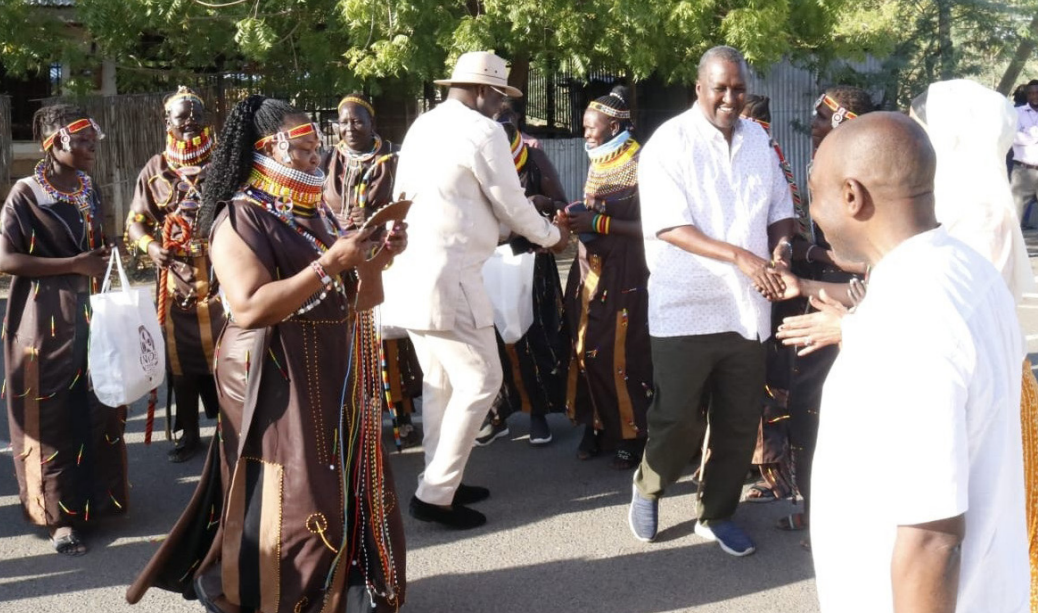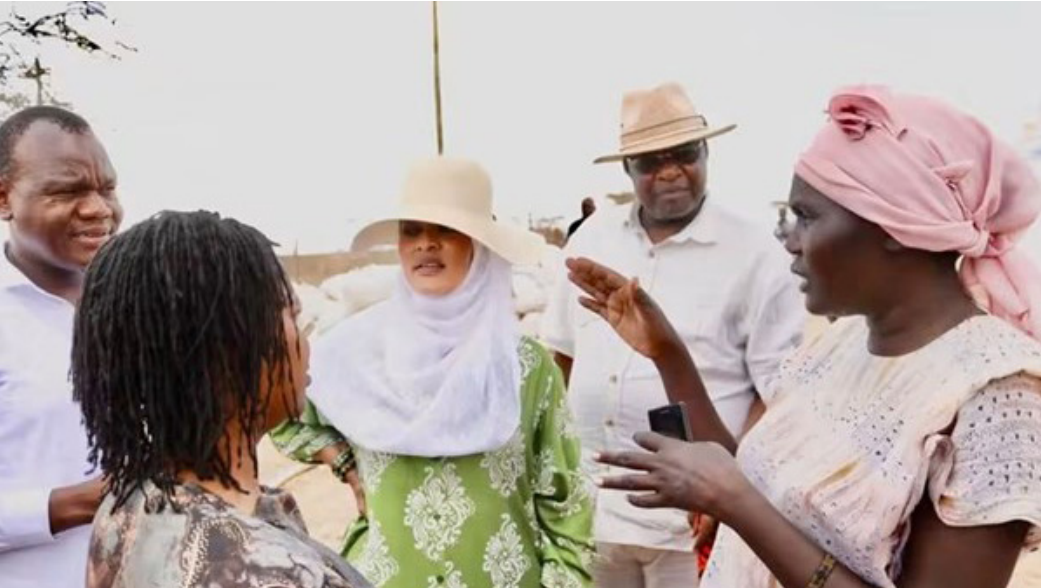
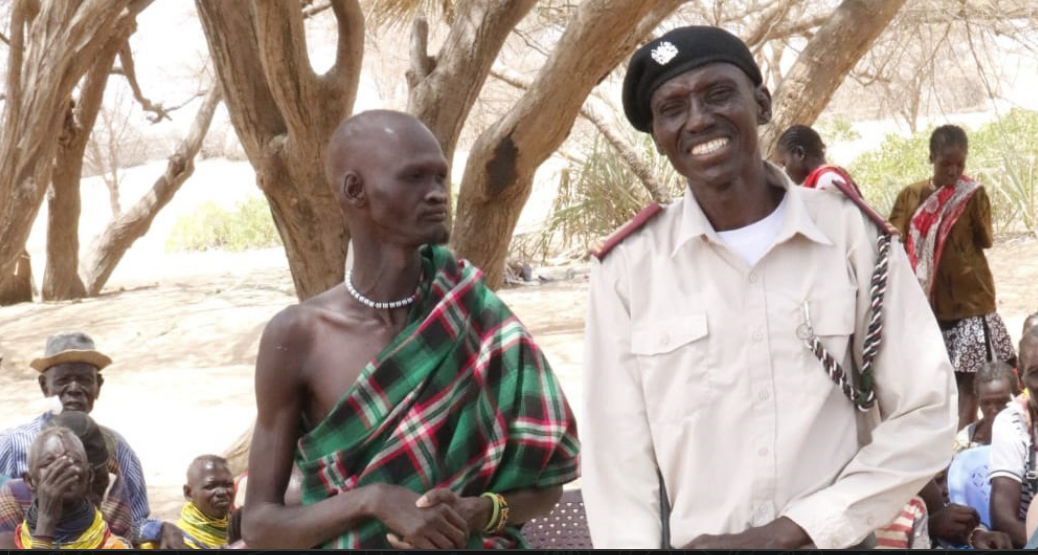
The Ilimanyang community of Kapua, Turkana Central, has declared that it wishes to be recognised as persons with disabilities, in addition to its status as a minority and marginalised community. The declaration came during a dialogue with the National Gender and Equality Commission on Wednesday 7 October 2026. Members told the Commission that they face multiple, overlapping vulnerabilities. They are a minority, they are marginalised, and their physical condition has a bearing on disability. They asked that their recognition reflect all three.
The Chairperson, Hon. Rehema Jaldesa, had invited the community to agree on the classification that suits them, whether as a minority community or as persons with disabilities. She said recognition that reflects their vulnerabilities would allow the Commission and duty bearers to design interventions that respond to the community’s specific needs.
A SMALL COMMUNITY
The Ilimanyang live at Kapua village on the shores of Lake Turkana. The community numbers about 600 people, now in its sixth generation, and traces its origin to a Turkana man who married an El Molo woman from neighbouring Marsabit County. Members live with a hereditary condition, known as anhidrosis or hypohidrosis, that limits the body’s ability to sweat. Boys and men are the most affected and must cool their bodies with water through the day, and the condition exposes them to heat-related illness in one of the hottest parts of the country.
The community has for years sought special recognition so that health authorities would monitor and support its members. The County Government of Turkana lists the Ilimanyang among the special groups its Department of Social Protection serves, with a mandate to promote equal opportunity and provide social assistance to the community.
COMMUNITY PRIORITIES
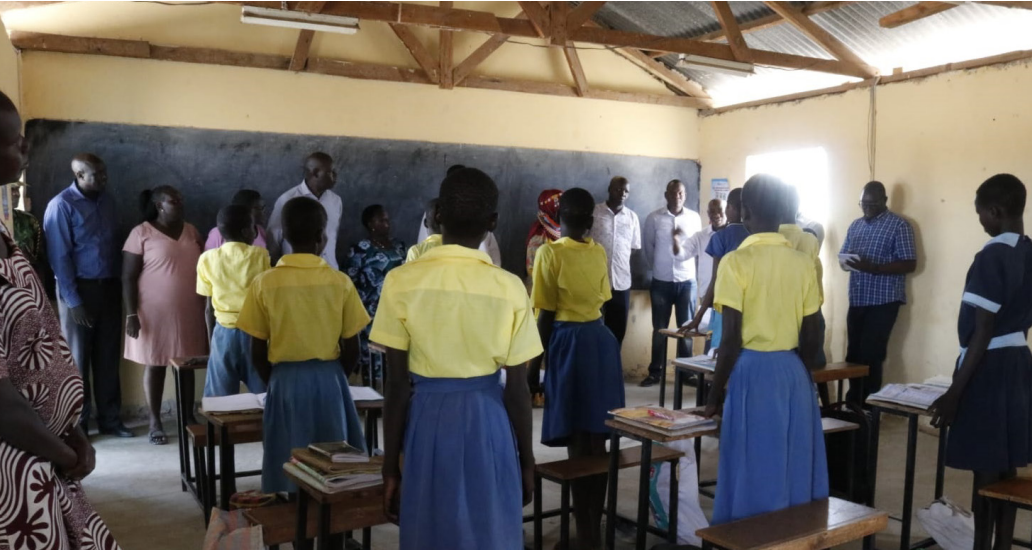
At the dialogue, members raised civil registration as a priority, including access to identity cards and birth certificates. They described poverty, hunger, disease, scarce water and limited access to medication, and asked for more schools and a reliable water supply. They attributed their under-representation to low levels of education and literacy.
The community said the County Government had engaged them on an empowerment programme meant to support education for Ilimanyang children, sought clarity on it, and said they had yet to benefit. They asked the County to assure them of equitable representation, saying they feel their affairs have been neglected.
The Chairperson led a multi-sectoral delegation that included the Department of Registration of Persons. Mr Josphat Lowoi, Director of the Minorities and Marginalised Unit in the Office of the President, outlined government programmes for minority and marginalised communities.
Article 56 of the Constitution obliges the State to take affirmative action for minorities and marginalised groups, and the Persons with Disabilities Act, 2025 sets out the rights and entitlements of persons with disabilities.