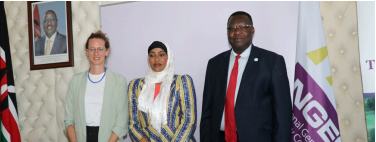
NAIROBI, Kenya — Efforts to strengthen equality, inclusive governance and democratic participation ahead of Kenya's 2027 General Election received renewed momentum following high-level discussions between the National Gender and Equality Commission (NGEC) and the German Embassy in Nairobi on expanding bilateral cooperation in key development sectors.
The discussions took place during a courtesy visit by a German Embassy delegation led by Deputy Head of Development Cooperation Ms. Friederike Hemke, who met Commission leadership to review the long-standing partnership between the two institutions and identify priority areas for future collaboration.
The engagement comes as Kenya continues implementing constitutional commitments on equality, inclusion and freedom from discrimination while preparing for the next electoral cycle. It also reflects growing recognition that achieving inclusive development requires stronger partnerships between constitutional commissions, government institutions and international development partners.
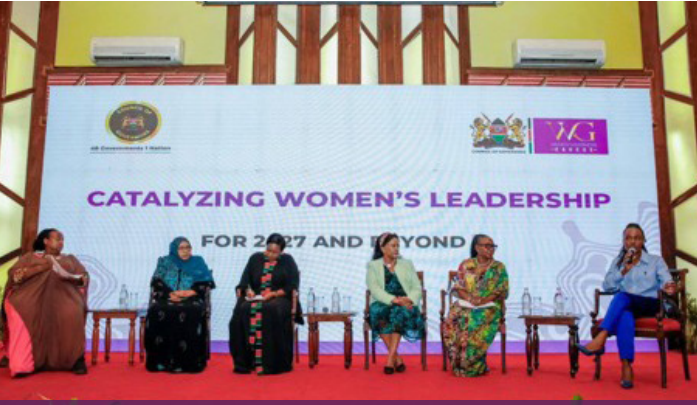
Central to the discussions was the need to strengthen the participation of women, youth, persons with disabilities, minorities and other Special Interest Groups in governance and public life.
The two institutions examined opportunities to support inclusive political participation ahead of the 2027 General Election by addressing systemic barriers that continue to limit equitable representation and participation in democratic processes.
The dialogue also focused on youth empowerment, recognising that expanding access to skills development, employment opportunities and leadership platforms remains critical to Kenya's long-term social and economic development. Particular attention was given to strengthening gender mainstreaming within the Technical and Vocational Education and Training (TVET) sector to ensure that education and skills programmes respond to the diverse needs of learners while promoting equal opportunities for women and young people.
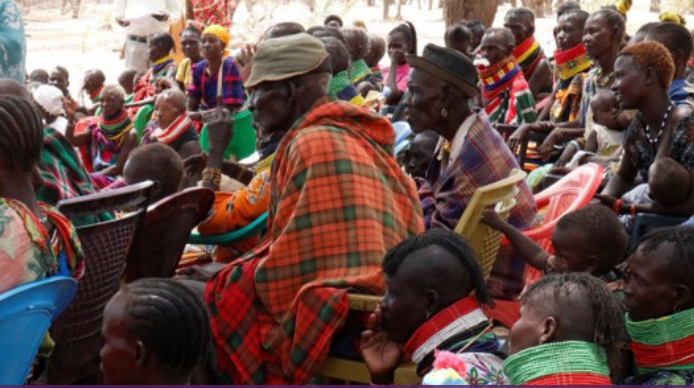
Climate resilience emerged as another priority area for cooperation as the effects of climate change continue to disproportionately affect vulnerable populations, particularly women, persons with disabilities and communities living in arid and semi-arid regions.
Climate resilience emerged as another priority area for cooperation as the effects of climate change continue to disproportionately affect vulnerable populations, particularly women, persons with disabilities and communities living in arid and semi-arid regions.
The meeting further explored strategies for expanding access to justice and strengthening institutional capacity to respond more effectively to discrimination and inequality. The Commission and the German Embassy discussed opportunities to enhance evidence based policymaking, promote coordinated interventions and strengthen institutional systems that support inclusive governance and equitable service delivery.
The engagement builds on Germany's longstanding development cooperation with Kenya, which has supported programmes in democratic governance, education, climate action, sustainable development and institutional strengthening. As one of Kenya's key development partners, Germany continues to support initiatives aimed at promoting accountable governance, social inclusion and sustainable economic growth.
For the Commission, the discussions align with its constitutional mandate to promote equality and freedom from discrimination, monitor compliance with constitutional principles and advise State institutions on measures that advance inclusive governance.