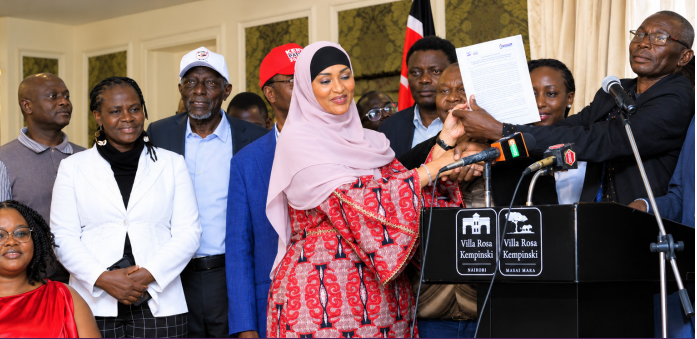
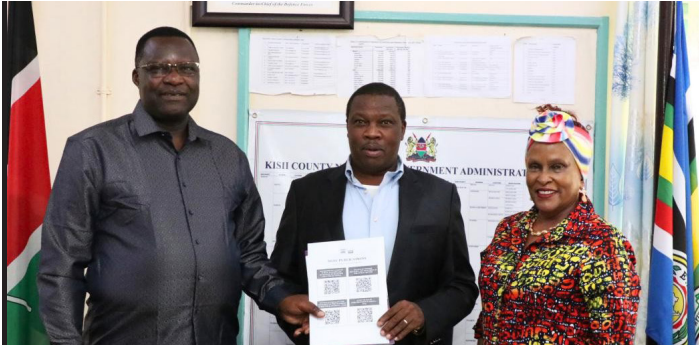
Kisii County Commissioner James Kamau linked the disinheritance of women from land to their absence from elective politics during a courtesy call by the National Gender and Equality Commission (NGEC) on Tuesday.
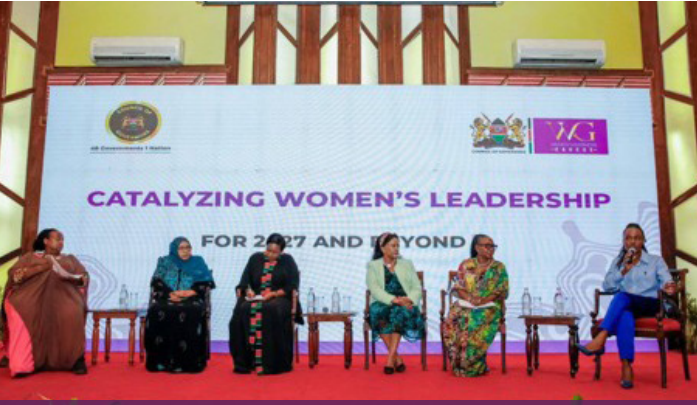
The delegation was led by the Vice Chairperson, Thomas Koyier, and opened a week of dialogues on the barriers limiting the political participation of Special Interest Groups ahead of the 2027 General Election.
Kamau said gender-based violence takes different forms and is driven by interconnected social, cultural and economic factors. He named the disinheritance of women, unequal access to land and other productive resources, violence, and the continued marginalisation of widows.
With land becoming increasingly scarce in Kisii County, he said, exclusion from inheritance and property ownership carries consequences for women’s economic security, personal safety and ability to participate effectively in public life.
Kamau said systems and practices that sustain inequality must be challenged, the implementation of inclusive policies strengthened, and cases of violence, cruelty and discrimination acted upon rather than ignored.
He set out the role of the National Government Administration in protecting vulnerable members of society, responding to reported violations and supporting equality efforts, and said limited financial resources and institutional constraints continue to hinder the scale and effectiveness of interventions.
THE COUNTY RECORD
In the 2022 General Election women won one of the 56 non-reserved elective positions in Kisii County. No woman was elected Senator or constituency Member of Parliament in Kisii, Meru or Nyamira. Nationally, women were 1,962 of the 16,100 candidates cleared to contest, or 12 per cent, while the success rate among cleared candidates was about 11 per cent for women and about 11 per cent for men.
The Commission’s position is that the barrier operates before the ballot. Registration and nomination fees, discriminatory party processes, violence and intimidation, technology-facilitated abuse, limited campaign financing, inaccessible political structures and patriarchal attitudes prevent qualified individuals from becoming candidates.
The Commission acknowledged political parties that have reduced aspirant application fees for women, youth and persons with disabilities, and asked parties to extend affirmative measures to all categories of Special Interest Groups, publish nomination rules early, provide information in accessible formats and local languages, and support aspirants through the nomination and campaign processes.
The Commission maintains that removing barriers to political participation is a constitutional obligation. The Kisii dialogues fed into a county declaration setting out commitments, the institutions that carry them and timelines for implementation.