Women in Kisii County named the cost of politics, political violence and restrictive social norms as the principal barriers to elective office at a Commission dialogue on Wednesday.
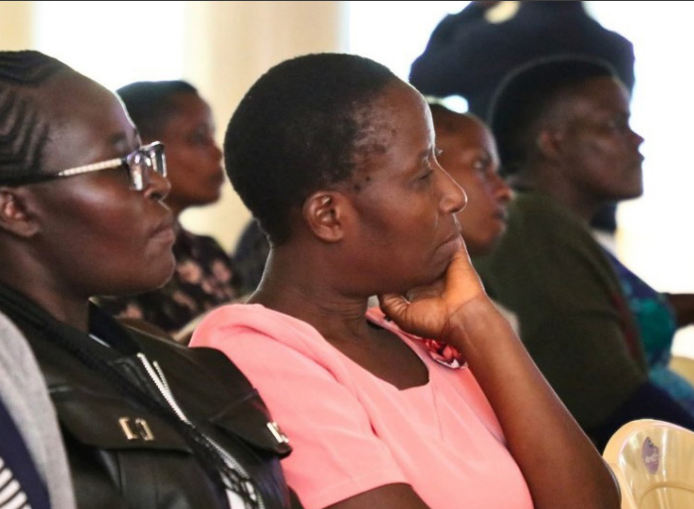
The session, convened by the National Gender and Equality Commission (NGEC), examined the challenges women encounter in the electoral process, the opportunities available and the measures required to enhance their inclusion ahead of the 2027 General Election.
Participants said nomination fees, campaign materials, transport, mobilisation and other election-related expenses place political leadership beyond the reach of many women. Limited access to economic resources and campaign financing forces some aspiring leaders to depend on political patrons, which may expose them to exploitation or compromise their independence.
Political violence and intimidation were raised as equally serious concerns. Women seeking elective office may face threats, verbal abuse, sexual harassment, character assassination and attacks directed at their families and private lives. On digital platforms, women candidates are increasingly exposed to cyberbullying, misinformation and technology-facilitated gender-based violence intended to silence them.
Participants said political leadership is still viewed in some communities as a male responsibility, while women are expected to prioritise domestic and caregiving duties. Women who express political ambition may encounter resistance from spouses, families or communities, and are subjected to personal scrutiny and moral judgement that male aspirants rarely face. Women are welcomed into political parties as voters, campaigners and mobilisers but remain under-represented in decision-making structures, participants said. High nomination fees, unfair party primaries, weak enforcement of inclusion commitments and inadequate protection from violence reduce their chances of progressing from party membership to candidature.
Limited access to civic and voter education was also identified as a barrier.
Participants said information on voter registration, party membership, nomination procedures, campaign regulations, elective positions and the reporting of electoral offences must be provided continuously, in local languages and through channels accessible at the grassroots
WHAT WAS ASKED
The dialogue called for mentorship and leadership development programmes, and for training in electoral laws, public speaking, campaign planning, fundraising, media engagement, digital communication and personal security.
Participants asked political parties to conduct transparent nominations, review prohibitive fees, support women aspirants, enforce measures against harassment and discrimination, and include women in party leadership and decision-making structures. They called for stronger implementation of the two-thirds gender principle, prompt response by security and justice institutions to threats and attacks against women candidates, and reporting mechanisms that are accessible and survivor-centred.
The day opened with a tree-planting exercise led by the Vice Chairperson, Thomas Koyier, as part of a greening initiative by Technical and Vocational Education and Training institutions.
In the 2022 General Election women won one of the 56 non-reserved elective positions in Kisii County, and no woman was elected Senator or constituency Member of Parliament.
The session closed with the adoption of the women’s instrument of the declaration by Special Interest Groups on inclusive electoral preparations and participation ahead of the 2027 General Election, which commits signatories to monitor the conduct of the elections and to hold to account the agencies responsible for a free, fair and peaceful process.
.JPG)