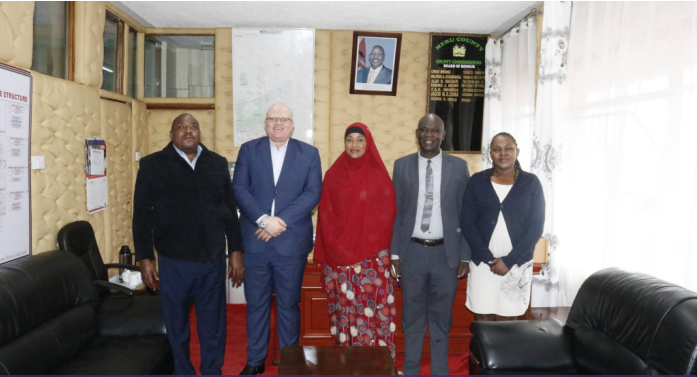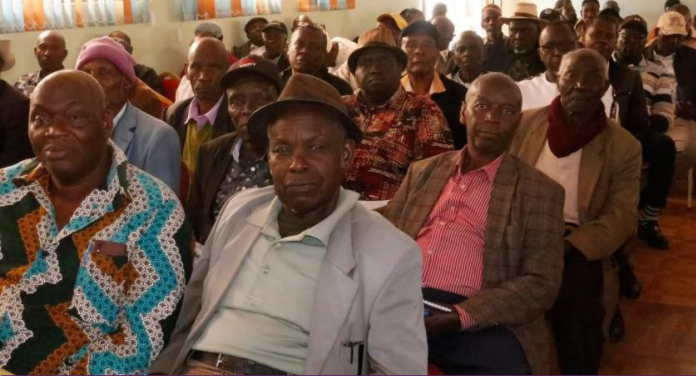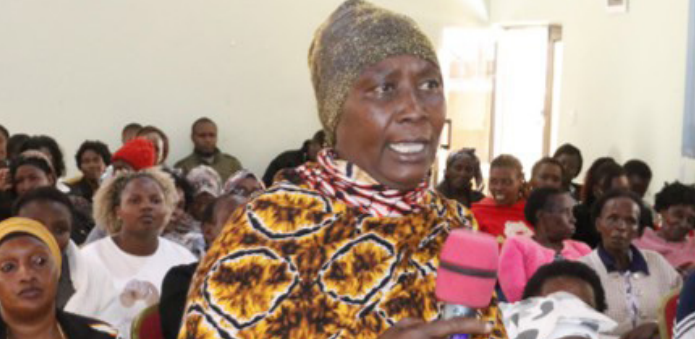
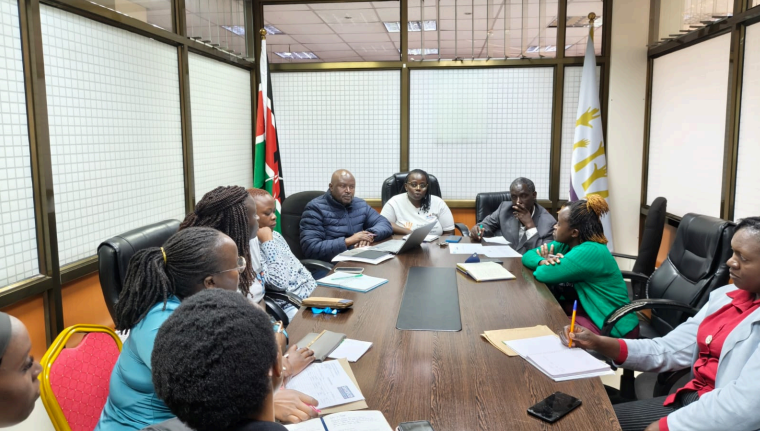
The National Gender and Equality Commission (NGEC) convened the Nakuru East and West Gender-Based Violence (GBV) Cluster in collaboration with SHOFCO Gender and Inclusion, bringing together key stakeholders in the GBV prevention and response system in Nakuru County.
The engagement focused on strengthening coordination, improving accountability mechanisms, and enhancing service delivery for survivors of gender-based violence. It also provided a platform to review progress made in 2025 and align priorities for the ongoing implementation of the GBV Taskforce Report.
The discussions centred on the need to strengthen coordination among institutions involved in GBV prevention and response, including justice sector actors, health service providers, civil society organisations, and community-based structures.
Stakeholders noted that effective response to gender-based violence depends on a well-aligned system where roles are clearly defined, communication channels are functional, and referral pathways operate without delay or fragmentation. The engagement highlighted that gaps in coordination often lead to delays in service delivery, duplication of efforts, and reduced efficiency in supporting survivors.
Participants emphasised the importance of building an integrated response system that ensures survivors can access support services in a timely, safe, and dignified manner.
The forum provided an opportunity to assess progress made in 2025 within the county’s GBV response framework and identify areas requiring further strengthening. A key area of focus was the implementation of recommendations contained in the GBV Taskforce Report, which outlines measures aimed at improving prevention, response, and accountability structures.
Stakeholders underscored the need to translate policy recommendations into practical actions that are coordinated across institutions and responsive to community needs. Attention was drawn to the importance of monitoring implementation progress to ensure that agreed reforms are reflected in service delivery outcomes at both institutional and community levels.
Discussions highlighted the need to streamline referral pathways within the GBV response system to ensure survivors are not subjected to delays or repeated processes when seeking assistance.
Participants noted that fragmented referral mechanisms can discourage reporting and weaken trust in available support systems. Efforts to improve coordination between police services, health facilities, legal aid providers, psychosocial support services and community structures were identified as critical to strengthening the overall response framework.
The engagement reaffirmed that survivors require integrated services that address medical, legal, psychological and protection needs in a coherent manner.
Stakeholders also identified duplication of services as a challenge affecting GBV response efforts within the county. Overlapping interventions by different actors were noted to sometimes result in resource inefficiencies and reduced coverage of support services. The discussion emphasised the need for better coordination frameworks that map service providers, clarify mandates and promote complementary rather than parallel interventions. Improved coordination was identified as a key factor in expanding reach and ensuring that available resources have maximum impact.
The National Gender and Equality Commission reiterated its mandate to promote equality and freedom from discrimination, including monitoring responses to gender-based violence and supporting institutional coordination.
Through its engagements, the Commission continues to work with stakeholders to strengthen systems that enhance protection, improve accountability and ensure effective service delivery for survivors. The collaboration with SHOFCO Gender and Inclusion reflects ongoing efforts to build partnerships that support integrated and responsive GBV prevention and response frameworks.