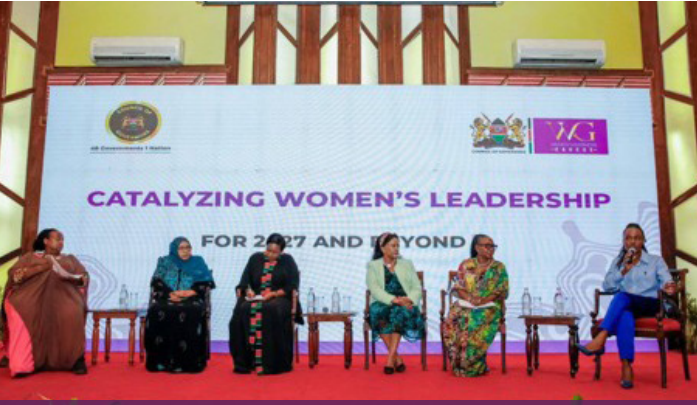
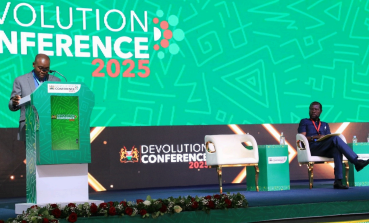
The Commission (NGEC) joined development partners and government leaders at the 2025 Devolution Conference to mark a major step forward in the fight for equity and inclusion. On Day 3 of the conference, a high-level session convened by UNICEF saw the launch of two national reports that bring clarity and urgency to long-standing social challenges. The first report, focused on child poverty, revealed that 55 percent of children in Kenya are experiencing multidimensional poverty. This goes beyond income to reflect deprivations in health, nutrition, education, shelter and protection.
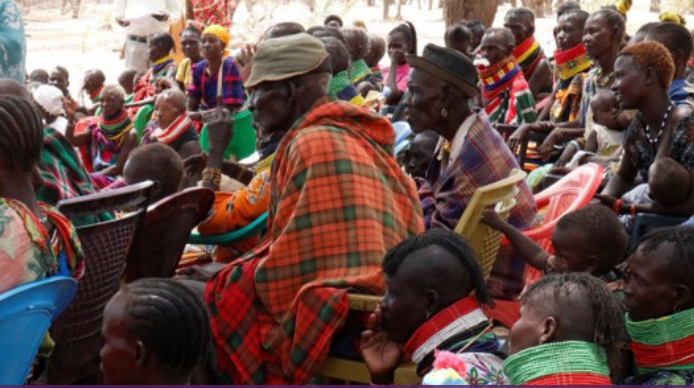
The findings are especially stark in counties like Mandera, Turkana, Wajir, Samburu and Tana River, where nine in ten children lack at least three critical necessities for their wellbeing. These insights are a wake-up call for stronger county-level investments in children’s health, education and protection systems. The second report examines the state of women’s empowerment in Kenya and shows that only 40.6 percent of women meet the criteria for being classified as empowered. It highlights persistent inequalities in education, income, decision-making power and access to resources.
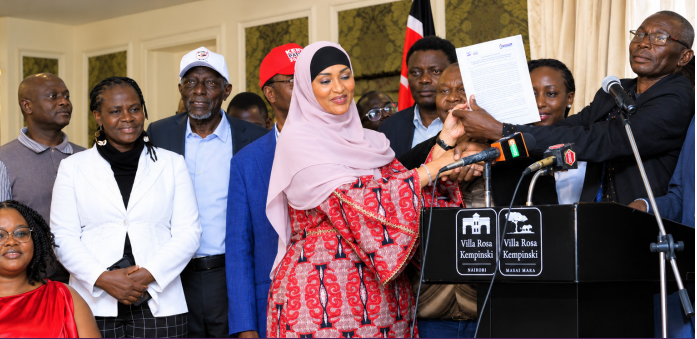
The reports were jointly unveiled by Principal Secretary for Economic Planning Dr. Bonface Makokha and NGEC CEO Dr. Purity Ngina. Their release comes at a time when NGEC has been pushing for more accurate data to guide policy on equality and inclusion, especially at the county level where devolved functions touch most directly on the lives of women, children and other vulnerable groups.
For the Commission, participating in this session was not only timely but also strategic. The data strengthens NGEC’s mandate to monitor progress on gender equality and special interest groups, and it provides an essential evidence base to inform county planning, budgeting and service delivery.
The Commission continues to advocate for budgeting practices that go beyond compliance to truly reflect the realities faced by women and children in every part of the country.
As counties begin preparing their medium-term plans and budgets, NGEC calls on county governments to adopt the insights from these reports and align their investments with the real needs of their most vulnerable populations. Data without action is wasted potential.
These reports offer a clear picture of what needs to change. The task ahead is to translate that into meaningful outcomes on the ground