NAIROBI, Kenya — The National Gender and Equality Commission (NGEC) has reaffirmed its commitment to advancing survivor-centred strategies in the fight against Female Genital Mutilation/Cutting (FGM/C), calling for greater involvement of survivors in shaping policies, strengthening accountability and leading community interventions as Kenya intensifies efforts to eliminate the practice by 2030.
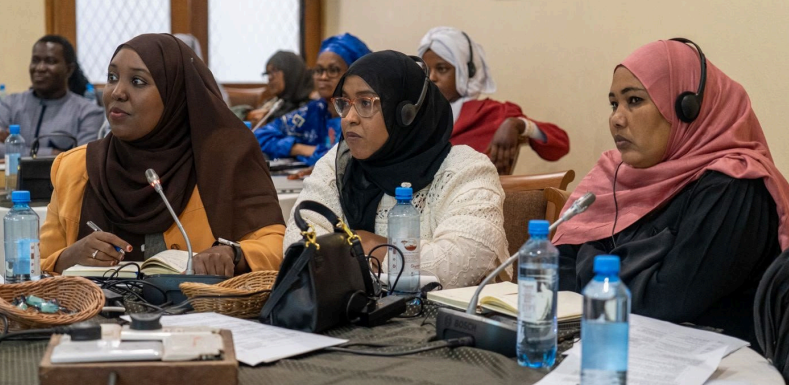
The Commission made the commitment during the Survivor Leadership Initiative Learning Forum, which brought together representatives from government institutions, civil society organisations, development partners and survivor leaders to examine progress, share lessons and strengthen survivor-led approaches to ending FGM/C. The forum focused on ensuring that the voices and lived experiences of survivors remain central to national and community efforts to eradicate the harmful practice and protect the rights of women and girls.
The engagement comes as Kenya continues implementing the National Policy for the Eradication of Female Genital Mutilation, the Prohibition of Female Genital Mutilation Act, 2011, and the country's commitments under the Constitution of Kenya, the Convention on the Elimination of All Forms of Discrimination Against Women (CEDAW), the Maputo Protocol, and the Sustainable Development Goals, particularly Target 5.3, which seeks to eliminate all harmful practices, including child marriage and FGM/C, by 2030.
Discussions at the forum recognised that Kenya has made measurable progress in reducing the prevalence of FGM/C over the past two decades through legal reforms, public awareness campaigns, community engagement and the work of anti-FGM actors.
However, participants observed that the practice persists in several communities, often evolving into more concealed forms that make detection, prevention and enforcement increasingly challenging. Stakeholders noted that conflict, climate-induced displacement, humanitarian emergencies, economic hardship and growing resistance to gender equality initiatives in some parts of the world continue to threaten gains made in advancing the rights of women and girls. Participants agreed that these emerging challenges require sustained commitment, stronger partnerships and innovative, survivor-informed responses.
A central theme of the forum was the recognition that survivors possess unique knowledge and lived experience that can strengthen policy development, programme design and advocacy initiatives. Participants emphasised that survivor leadership is critical in identifying barriers to reporting, improving access to survivor-centred services, informing prevention strategies and strengthening community dialogue aimed at transforming harmful social norms.
The forum underscored that survivor participation should extend beyond storytelling to meaningful involvement in decision-making, programme implementation, monitoring and evaluation. Participants observed that survivors bring valuable perspectives that can help institutions develop interventions that are responsive to the realities faced by girls and women at risk of FGM/C.
The discussions also examined the wider impact of FGM/C on women's and girls' rights. Participants noted that the practice continues to undermine the rights to health, education, bodily autonomy, dignity and freedom from violence.
In many cases, FGM/C contributes to school dropout, early and forced marriage, physical and psychological trauma, reproductive health complications and reduced socio-economic opportunities. Stakeholders further highlighted the importance of addressing the underlying drivers that sustain the practice, including gender inequality, harmful social norms, discrimination and unequal power relations.
They stressed that eliminating FGM/C requires comprehensive approaches that combine legal enforcement with education, economic empowerment, community mobilisation and sustained engagement with traditional leaders, faith leaders, parents, men and boys, women and young people.
The forum reinforced the need to strengthen accountability across national and county institutions responsible for implementing antiFGM laws and policies.
Participants called for enhanced coordination among government agencies, constitutional commissions, law enforcement bodies, healthcare providers, educational institutions and civil society organisations to ensure that prevention, protection and response mechanisms operate effectively.