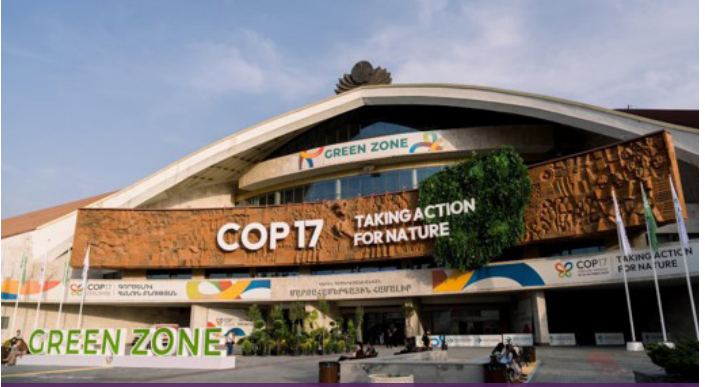
National Gender and Equality Commission (NGEC) Chairperson Hon. Rehema Jaldesa is in Yerevan, Armenia, carrying the concerns of pastoralist communities, and of the women among them, to the global biodiversity agenda.
She is attending the 17th meeting of the Conference of the Parties to the Convention on Biological Diversity (COP17), which runs from 19 to 30 October 2026 under the theme of taking action for nature.
On 20 October, the Chairperson took part in a COP17 Presidency event on the traditional knowledge of Indigenous Peoples and Local Communities. The event examined the role of traditional knowledge, innovations and practices in biodiversity conservation, the recognition of traditional ecological knowledge as a source that complements scientific data, and the implementation of Article 8(j) of the Convention.
FROM ULAANBAATAR TO YEREVAN
The Commission’s engagement in Yerevan builds on its participation in August at the UNCCD COP17 in Ulaanbaatar, Mongolia. Speaking at a dialogue with African Indigenous pastoralists there, the Chairperson set out three requirements for rangeland communities: stronger financing, secure land rights and protected mobility corridors.
In Yerevan, Parties are reviewing the midterm of the Convention’s Gender Plan of Action. The Commission’s focus is on whether commitments in the Kunming-Montreal Global Biodiversity Framework, on the participation of Indigenous Peoples and local communities and on women’s equal rights to land and natural resources, reach pastoralist women in practice.
THE COMMISSION’S STAKE
The Commission’s participation draws on its mandate to promote equality and freedom from discrimination for special interest groups, including women, youth, older persons, persons with disabilities, and minority and marginalised communities. Kenya’s Constitution recognises community land and binds every State organ to equality and non-discrimination.
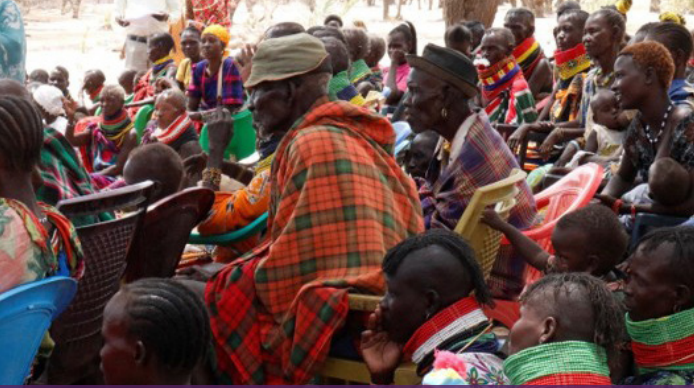
The agenda the Chairperson carries to Yerevan comes directly from the ground. Earlier this month, the Commission held hearings across Turkana County, where pastoralist communities raised land compensation, water and access to services. Those concerns are reported elsewhere in this edition.
Within marginalised communities, the women, youth, older persons and persons with disabilities are often the least visible in decisions on land and natural resources. The Commission’s position is that biodiversity commitments must be measured by whether they reach these groups.
The Commission will continue to press these concerns with Parties and partners as the conference moves towards its close on 30 October 2026.