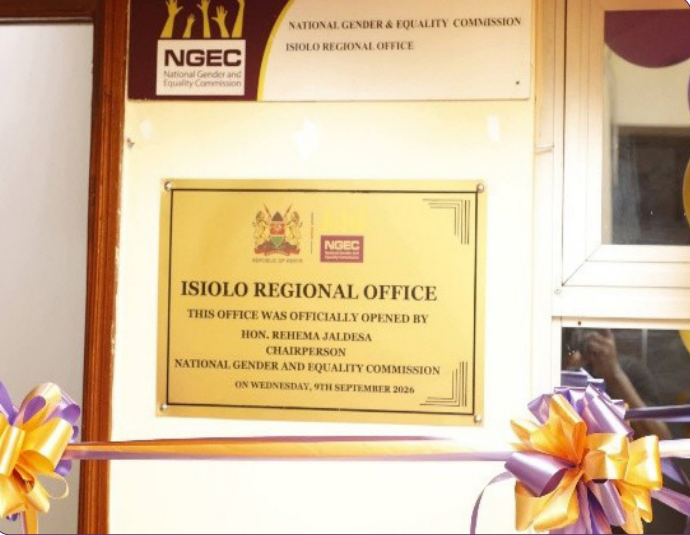
The National Gender and Equality Commission (NGEC) opened its new Isiolo Regional Office at Barsalinga Towers on Wednesday, 9 September 2026, and immediately turned to 2027 electoral preparedness.
The office was officially opened by the Commission’s Chairperson, Hon. Rehema Jaldesa, who used the stakeholders’ engagement that followed the relaunch to call on the Independent Electoral and Boundaries Commission (IEBC) and all electoral actors to embed equality and inclusion at every stage of the 2027 electoral process.
The new office provides dedicated space for staff, public engagement and stakeholder coordination, bringing the Commission’s equality and inclusion services closer to the people of Isiolo. It strengthens the Commission’s presence and the delivery of its constitutional mandate in the region.
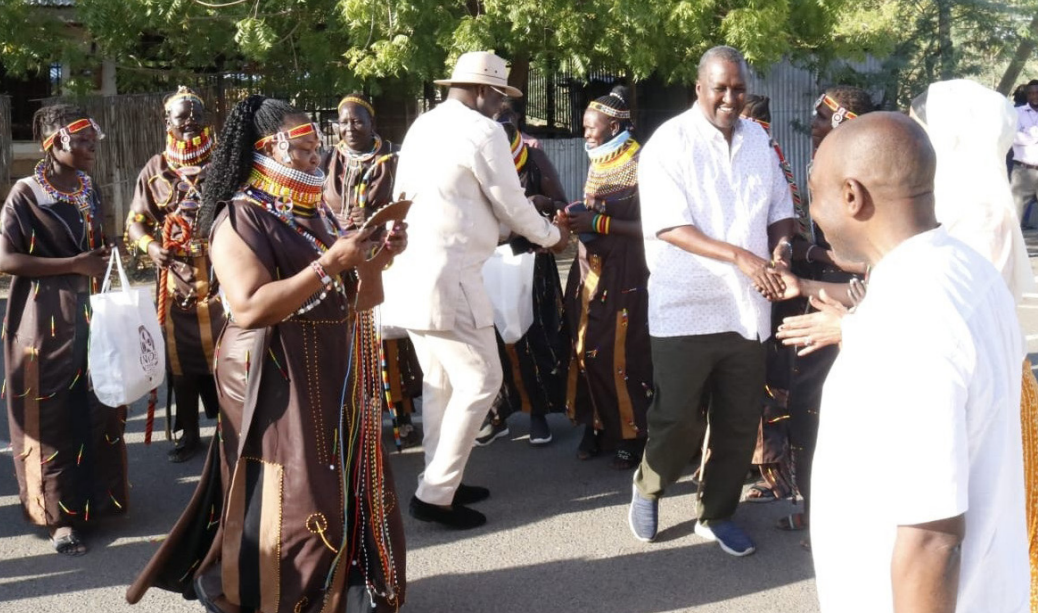
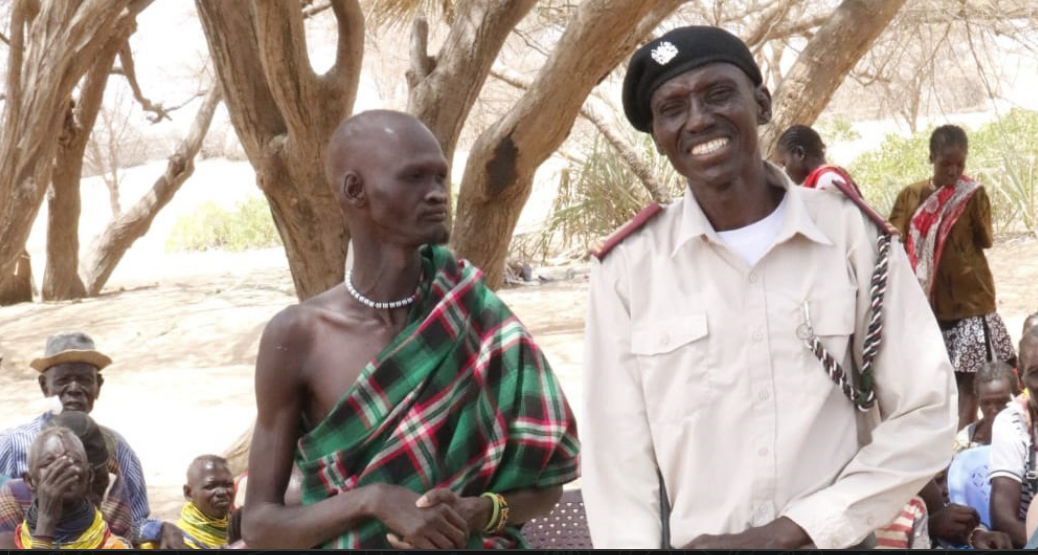
The launch drew county leadership, national government representatives, partners and stakeholders, and was marked with pomp and colour.
ELECTORAL ACCESS
Jaldesa told the forum that accessibility must run through voter registration and voter education, electoral information, polling stations and dispute-resolution mechanisms, and that it must work for women, youth, persons with disabilities, older persons, ethnic minorities and marginalised communities.
She urged political parties to remove the barriers that limit the participation and leadership of Special Interest Groups (SIGs), and called for early identification of exclusion, insecurity and potential conflict risks rather than late response.
The Chairperson reaffirmed that the Commission will monitor electoral preparedness independently and impartially, and said the Isiolo office will serve as a platform for public education, stakeholder engagement, monitoring and early action on equality and inclusion concerns.
COUNTY ENGAGEMENT
Alongside the relaunch, Jaldesa engaged the Isiolo County Commissioner, Mwachaunga Chaunga, on femicide, gender-based violence, child marriage, female genital mutilation, drug abuse and barriers to civil registration.
She called for stronger gender mainstreaming and representation of Special Interest Groups in county appointments, for enhanced coordination and data sharing between agencies, and for improved access to government services for communities in remote areas.
Chaunga assured the Commission of government support and pointed to ongoing action against drug abuse and gender-based violence. He acknowledged the service-access challenges raised and said the government would progressively operationalise the new sub-counties while exploring mobile services for hard-to-reach communities.
The Commission will use the Isiolo office to carry that work forward through public education, engagement, monitoring and early action as preparations for the 2027 General Election advance.
.JPG)