ANational Gender and Equality Commission (NGEC) team found no dedicated gender desk at Salgaa Police Station in Nakuru County, raising concern about survivor-centred reporting at the first point of contact.
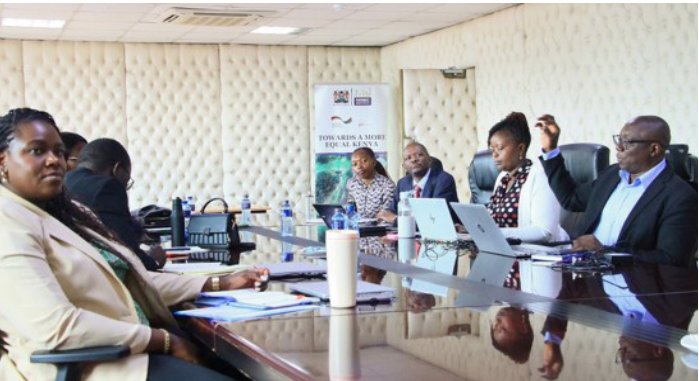
The finding came during a series of engagements by the Commission’s Nakuru Regional Office with Shining Hope for Communities (SHOFCO) on sexual and gender-based violence (SGBV), child protection and the engagement of men and boys.
BOROR AND SALGAA
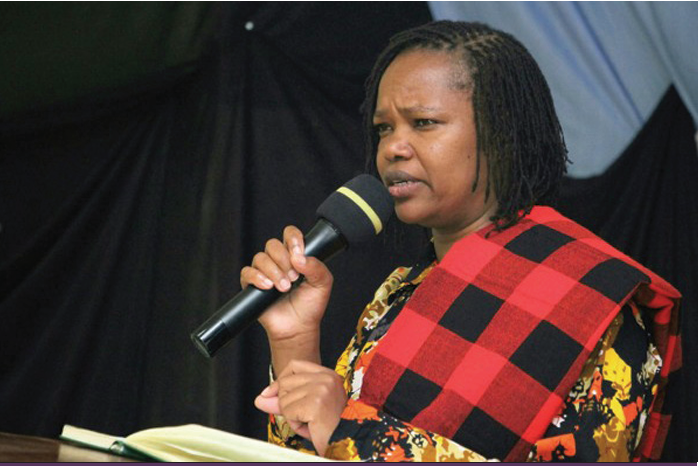
In Boror Location, Rongai Sub-County, the Commission and SHOFCO convened a community sensitisation forum for about 300 residents, predominantly women.
The forum drew attention to persistent concerns in the wider Salgaa area, including child neglect, sexual exploitation, teenage pregnancies, poverty, school attendance challenges and children living on the streets. Women also face risks of violence and harassment and barriers to essential services.
Participants learnt how to recognise and prevent SGBV, report abuse, access referral services and respond when a child is at risk. The central message was that a child who experiences abuse must be heard, protected and connected to support. The absence of a gender desk, the Commission says, raises questions about the availability of specialised, confidential and survivor-centred reporting and support. It has called for gender-responsive policing and accessible mechanisms for reporting and following up cases of abuse.
Kenya’s reporting channels include 1195, the 24-hour GBV helpline, and 116, the free 24-hour Child Helpline. The Commission holds that public awareness of these services must be matched by effective local referral systems, timely intervention and accountability.
700 REACHED IN NAKURU
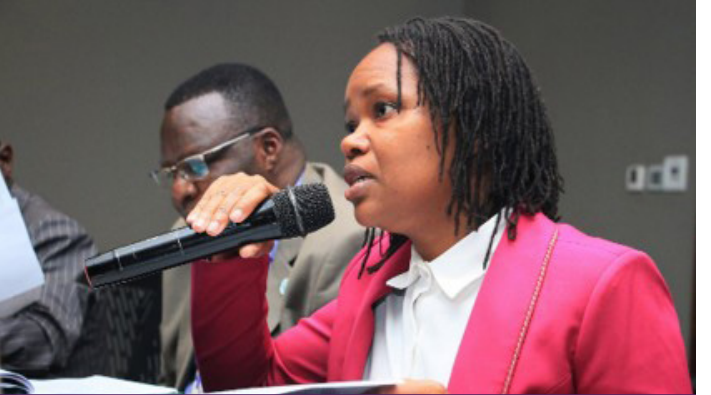
At the Kenya Red Cross Society in Nakuru, the Commission joined the SHOFCO Gender and Inclusion Department and other partners in a public education forum on GBV prevention and child protection that reached about 700 members of the public.
The forum covered GBV and child rights violations, the signs of abuse, reporting procedures, referral pathways and the barriers that limit access to justice. Participants received legal aid and advice from the Commission, the National Legal Aid Service (NLAS), the Law Society of Kenya (LSK) and other partners, alongside onsite psychosocial support and counselling.
The Commission called on communities to report abuse promptly, on duty bearers to respond without delay and safeguard the dignity and confidentiality of survivors, and on justice sector actors to strengthen coordination and follow through on cases.
RIDERS AS ALLIES
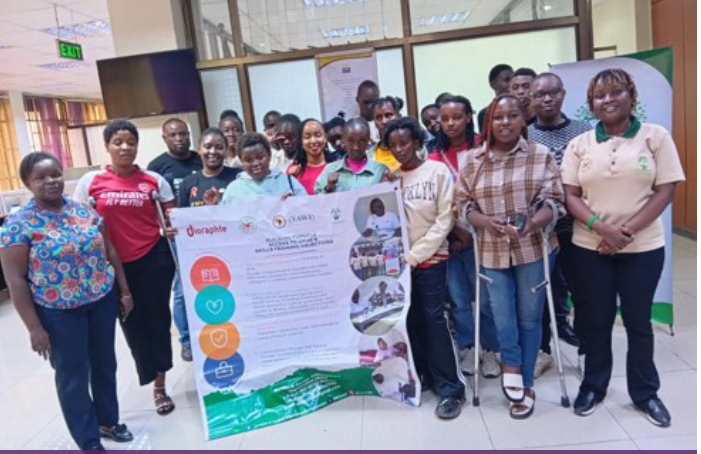
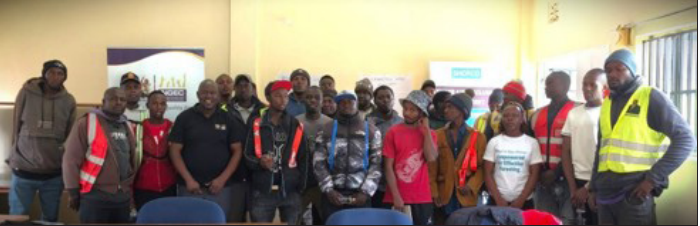
Ahead of Children Services Month, the Commission, through the Nakuru Children Protection Centre, also partnered with the SHOFCO Gender and Inclusion Department and the Department of Children Services to engage boda boda operators in a child protection and male engagement forum.
Riders, whose work connects households, schools and neighbourhoods, were encouraged to recognise risk, challenge abuse and exploitation, promote respect for women and girls and link children and survivors to support services. Children Services Month runs in November under the theme "Strengthening Multi-Agency Action to Safeguard Childhood Beyond Commitments (10 Years On)".
Across the engagements, the Commission stressed that fathers, male caregivers and community leaders share responsibility for challenging harmful social norms and supporting survivors. In its view, men must be part of the solution, communities must refuse to normalise abuse, and institutions must respond when survivors speak.