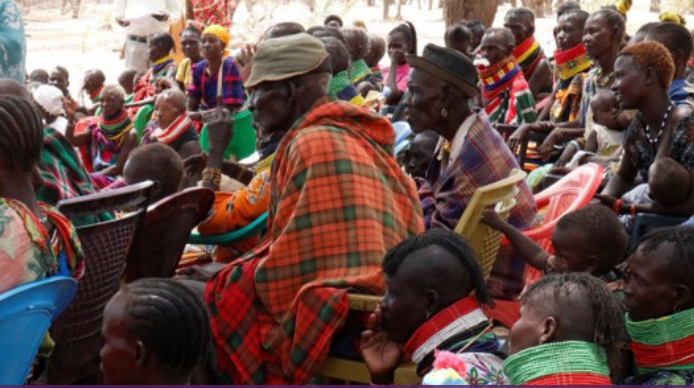
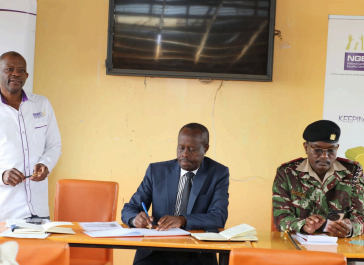
KIAMBU COUNTY, Kenya — Access to equal opportunities, public services and constitutional rights was the focus of a community dialogue convened by the National Gender and Equality Commission (NGEC) with members of the Shona Community at the Kinoo Vocational Training Centre, as efforts continue to strengthen the inclusion of minority communities in Kenya's development agenda.
The engagement brought together representatives of the Shona Community, government institutions and the Commission to assess progress made since government interventions targeting the community began, document lived experiences and identify persistent barriers affecting access to rights, public services and socio-economic opportunities. The dialogue also provided an opportunity to deepen awareness of the National Policy on Ethnic Minorities, Indigenous and Marginalized Communities (2025–2035), which seeks to strengthen equality, social inclusion and protection for historically excluded communities.
The forum comes at a time when Kenya is intensifying the implementation of constitutional provisions that guarantee equality, freedom from discrimination and the protection of minority and marginalized communities. The Constitution requires the State to address historical disadvantages and ensure equitable access to opportunities and public services for all citizens, regardless of their ethnic or social background.
For the Shona Community, the dialogue provided an opportunity to reflect on the progress made following years of government interventions aimed at addressing historical exclusion.
Discussions examined developments in access to identity documentation, education, healthcare, economic opportunities and participation in public affairs, while highlighting areas where gaps continue to limit the full enjoyment of constitutional rights. Community members shared their experiences of navigating public institutions and accessing government programmes, noting that while important milestones have been realised, challenges remain in securing equal access to essential services and sustainable livelihood opportunities. The discussions underscored the importance of sustained government action to ensure that policy commitments translate into measurable improvements in the daily lives of minority communities.
A significant component of the engagement focused on the implementation of the National Policy on Ethnic Minorities, Indigenous and Marginalized Communities (2025–2035). Commission officials outlined the objectives of the policy and its role in strengthening institutional coordination, promoting inclusive governance and addressing historical inequalities that have affected minority communities across the country.
The dialogue also examined how the policy can support greater participation of minority communities in national and county development processes. Participants discussed the importance of ensuring that development planning, budgeting and public participation mechanisms are responsive to the needs and priorities of communities that have historically experienced exclusion from decision-making processes.
The Commission emphasized that meaningful public participation remains central to inclusive governance and sustainable development. Strengthening engagement between communities and public institutions, it noted, enables government programmes to better reflect local realities while enhancing accountability and public confidence in service delivery.
The discussions further highlighted the importance of evidence-based policymaking and continuous community engagement in monitoring the implementation of policies affecting minority, indigenous and marginalized communities. Participants observed that reliable information on community experiences can strengthen planning, improve service delivery and support targeted interventions that address persistent inequalities.
The dialogue also generated practical recommendations aimed at improving coordination between government institutions and minority communities, strengthening civic awareness, expanding access to public services and reinforcing mechanisms that protect communities from discrimination and exclusion. Particular emphasis was placed on ensuring that implementation of the new national policy delivers tangible improvements in education, healthcare, economic empowerment and participation in governance.
For the National Gender and Equality Commission, the engagement forms part of its constitutional mandate to promote equality and freedom from discrimination and to monitor the integration of the rights of Special Interest Groups into public policy and national development. The Commission continues to work with national and county governments, development partners and communities to advance inclusive governance and ensure that no community is left behind.
The dialogue reinforced the importance of sustained collaboration between government institutions and minority communities in addressing historical inequalities and promoting equitable development. It also highlighted the role of the National Policy on Ethnic Minorities, Indigenous and Marginalized Communities (2025–2035) as a framework for strengthening inclusion, protecting cultural identity and expanding access to opportunities for communities that have historically remained on the margins of development.