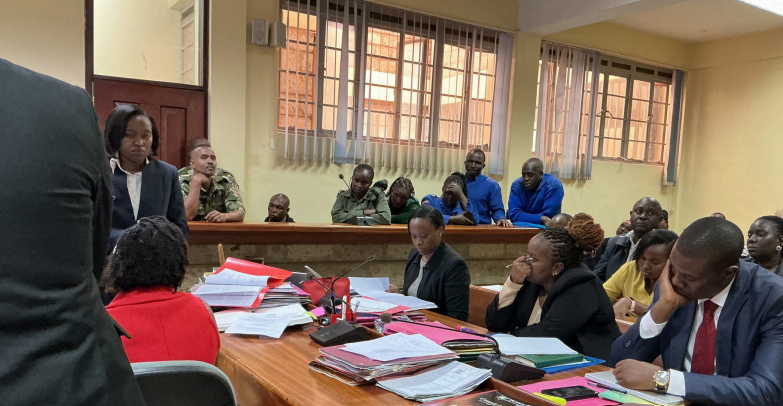
NYERI — In a hushed courtroom this week, the weeping voice of a mother cut through the solemn echo of judicial proceedings, laying bare a pain that no parent should ever know. “No apology can bring back my child,” she told Justice Magare Dennis Kizito at the High Court in Nyeri as the matter of Republic vs Nicholas Julius Macharia took centre stage, marking another painful chapter in Kenya’s ongoing struggle against violence targeting children.
The case, involving the 2025 defilement and murder of seven‑year‑old TBK, has gripped the nation with its cruelty and its implications for how the justice system responds to crimes against children. What began as the disappearance of a joyful Grade One pupil has become a defining moment in Kenya’s pursuit of accountability, protection, and the rule of law.
On May 24, 2025, TBK was last seen alive, walking near a market in Nyeri town where her mother and grandmother worked. CCTV footage later revealed her in the company of local porter Nicholas Julius Macharia, moments before she vanished a haunting image that would later become key evidence in the case.
Her lifeless body was found buried beneath a bed in a house in the Kiawara slums two days later, triggering outrage and grief that rippled through families, community leaders, and child protection advocates alike. A post‑mortem confirmed she had been defiled before she was suffocated to death a fate that has shaken public confidence and exposed deep vulnerabilities in child safety and community protection.
At her funeral, mourners called for a full investigation and justice while echoing concerns over gaps in community policing structures, particularly in informal settlements where residents felt unsafe and under‑protected.
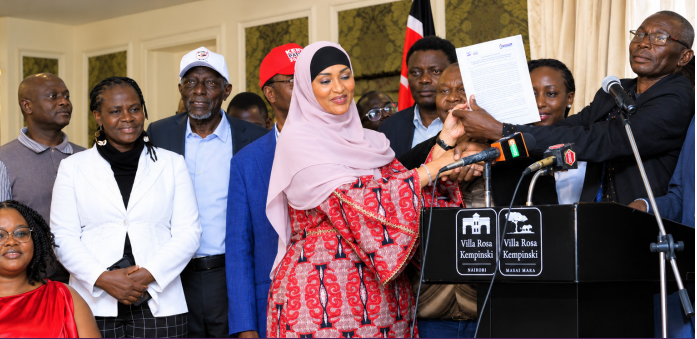
These proceedings focused on the presentation of a Victim Impact Assessment undertaken by the National Gender and Equality Commission. Delivered to TBK’s mother inside the courtroom, the assessment captures the deep emotional, social, and economic toll that the loss has had on her family a document designed to ensure that the human cost of the crime is placed firmly at the centre of the judicial process.
Justice Magare oversaw the session, during which the mother rejected a recent apology tendered by Macharia, stating that no words could compensate for the loss of her daughter’s life, aspirations, and future.
The court has scheduled further rulings, with sentencing expected following final submissions later this month a decision anticipated to reverberate beyond Nyeri’s High Court.
Legal analysts note that cases of child murder and sexual violence pose complex challenges for Kenya’s justice system. While mandatory life sentences exist for child defilement and murder under the Sexual Offences Act and the Penal Code, securing convictions and appropriate sentencing requires meticulous evidence gathering, victim testimony, and procedural precision.
Recent efforts by the Nyeri Law Courts to expedite hearing and conclusion of children’s cases reflect a growing recognition of the need for swift and effective legal responses. In November 2025, the courts launched a month‑long campaign to fast‑track children’s cases, emphasizing collaboration and urgency in safeguarding minors’ rights within the justice system.
The National Gender and Equality Commission’s involvement in this case underscores its broader mandate to champion prevention, protection, and accountability mechanisms for children across Kenya, particularly amid rising public concern over violence and abuse.
For families like TBK’s, justice is not merely about punishment. It is about affirming a child’s right to grow, learn, and thrive in safety and dignity a promise enshrined in Kenya’s Constitution and international child rights frameworks.
The heartache laid bare in Nyeri High Court is a stark reminder that violence against children robs communities of hope and potential. As the legal process unfolds, the Commission has pledged to continue monitoring the case and engaging relevant institutions to strengthen prevention strategies and child protection systems nationwide.
In the words of those who knew her, Tamara was more than a statistic. She was a daughter, a playmate, and a dream of possibilities now cut short. In seeking justice for her, Kenya confronts not only an individual crime but the urgent task of safeguarding the futures of all its children.