Kenya’s latest AIDS Response Progress Report records an estimated 2,799 new HIV infections among adolescents in 2024, 240,915 adolescent pregnancies, and 17,361 reported cases of sexual and gender-based violence involving adolescents aged 10 to 17. The same data indicates that sexual and gender-based violence is a growing concern among young people.
These are not three separate policy files. They are the Triple Threat, and they share drivers, share victims and frequently share a single incident. A girl who is sexually assaulted may acquire an infection, may become pregnant, and may leave school. One event produces
three entries in three national datasets and one interrupted life.
The Commission joined young people, civil society organisations and government stakeholders at the Nakuru premiere of the Shuga short film anthology Unwrapped, hosted by SSK in partnership with Bright Wellness and Haven of Dreams. The anthology follows young people navigating identity, relationships, self-discovery and difficult choic-
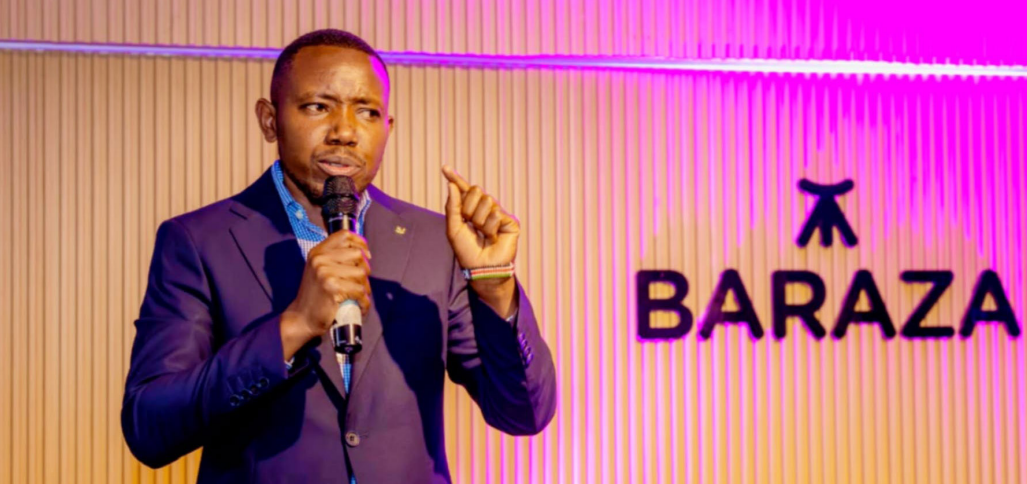
es, and brings the Triple Threat into a form that an audience will actually sit through. The screening was not the point. At the Nakuru Art Baraza that followed, the conversation moved off the screen, and young people engaged stakeholders directly on the pressures facing their generation and on what they might do about them.
The Commission used the platform to press a specific argument: that young people should claim their space as active citizens, decision-makers and leaders, and not only as the recipients of programmes designed elsewhere. Meaningful participation means engaging in civic affairs, holding institutions to account, seeking leadership positions and shaping the decisions that determine their health, education, livelihoods, safety and prospects.
Kenya’s youth policy agenda recognises the need to strengthen youth participation in decision-making, alongside current national attention to employability, skills, entrepreneurship, talent and economic opportunity.
For the Commission, listening is the beginning rather than the achievement. The commitment is to platforms where what young people say informs advocacy, public education and action, because solutions to problems affecting young people have to be built with them rather than for them.
Young people have accounts to give, ideas to contribute and futures to shape. The space has to exist for them to speak. The obligation to listen and act sits with everyone else.
.JPG)