At a time when national discourse on gender equality is increasingly urgent, stakeholders in Kisumu and Kitui counties have taken concrete steps to move beyond rhetoric toward coordinated, actionable responses to gender‑based violence (GBV) and systemic inequality. In forums convened this month, state and non‑state actors met to strengthen prevention systems, refine referral pathways and amplify survivor‑centred care signalling a renewed commitment to safeguarding the rights, dignity and wellbeing of women, children and vulnerable populations.
The gatherings one in Kisumu facilitated by the Coalition on Violence Against Women (COVAW) and another in Kitui hosted by the same organisation brought together leaders from government, civil society, community structures and specialised agencies to align action with both local realities and national policy frameworks, especially as International Women’s Day 2026 approaches.
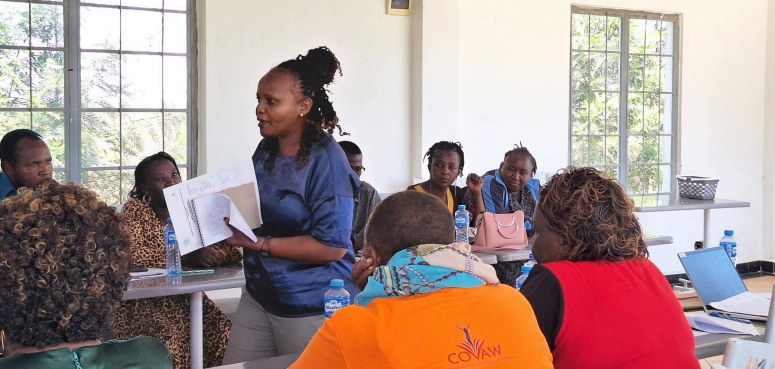
In Kisumu County, the meeting at Pinecone Hotel drew members of the Kisumu County Gender Sector Working Group alongside representatives from the Kisumu Regional Office of the National Gender and Equality Commission (NGEC) and a wide spectrum of partners from the Lake Region Economic Bloc. Over three days of deliberations, the forum focused on resource mobilisation, strategic prioritisation and the integration of emerging issues that have gained prominence in public concern.
Central to discussions were the persistent challenges of GBV and harmful practices such as Female Genital Mutilation (FGM), the disproportionate burden of unpaid domestic care work borne by women, and the growing phenomenon of digital violence — online abuse that undermines dignity and silences voices. Participants examined how these intersecting issues shape the experiences of women, men and communities at large, and identified areas requiring immediate attention and coordinated responses.
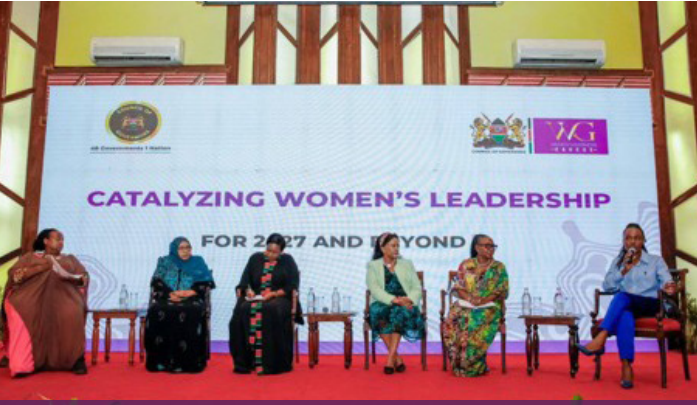
Speakers underscored that addressing such deep‑rooted inequalities demands a broad, multi‑sectoral approach that bridges policy and practice, engages grassroots actors, and prioritises systems that are both survivor‑centred and community‑owned. A shared message emerged: International Women’s Day should not only commemorate progress, but also catalyse sustained action that protects rights and promotes equity across all sectors.
Elevating Survivor-Centred Response in Kitui
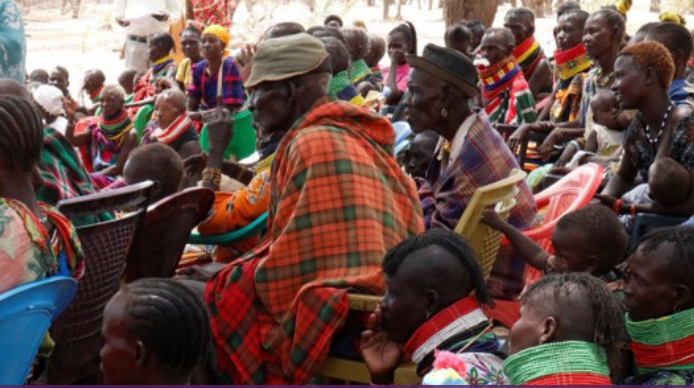
Parallel efforts were underway in Kitui County, where the NGEC’s regional office joined stakeholders at a forum hosted by COVAW at Kithumulani Resort, Kitui Rural Sub‑County. Here, the focus shifted toward strengthening practical mechanisms for protection and accountability on the ground.
Participants identified gaps in existing referral pathways and emphasised the indispensable role of community watchdogs in early detection, documentation and support for survivors of GBV. Health professionals, law enforcement personnel, social welfare officers and volunteer monitors collaborated to refine linkages across sectors, ensuring that survivors receive timely, dignified and coordinated support.
The discussions also reaffirmed the importance of aligning duty bearers with specialised services to reduce delays in reporting and intervention. By empowering community actors with clear roles and responsibilities, the forum sought to enhance local resilience and foster environments where survivors feel protected, supported and heard.
Both forums reflected a broader national imperative: aligning legal frameworks with responsive and inclusive systems at the county level.
Kenya’s Constitution and national laws unequivocally guarantee the rights of women and children to live free from violence and discrimination. Yet persistent gaps in implementation, resource allocation and community awareness continue to undermine these protections.
Experts at the gatherings highlighted that strengthening GBV prevention and response is not solely the responsibility of specialised agencies; it requires the active engagement of all sectors from education and health to justice and social services. Participants called for increased budgetary commitments, capacity building for frontline responders, and robust monitoring to ensure that policy commitments translate into measurable outcomes.
As both counties prepare for International Women’s Day 2026, the outcomes of these forums are expected to inform county action plans, reinforce implementation frameworks and galvanise resource partnerships.
Stakeholders expressed a shared commitment to ensuring that planning culminates in tangible progress particularly in enhancing survivor services, streamlining referral mechanisms, and mobilising sustained community engagement.