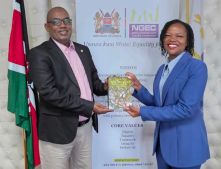
As drought tightens its grip across counties, the crisis unfolding in Kenya’s arid and semi-arid regions is no longer defined solely by empty dams and failing crops. It is increasingly marked by a quieter, more pervasive threat: the erosion of safety and dignity for women and children when humanitarian systems come under strain. This reality framed discussions this week when the Executive Director of AFOSC Kenya, Mr Mohamed Sheik, paid a courtesy visit to the Chief Executive Officer of the National Gender and Equality Commission (NGEC), Ms Purity Ngina. The engagement focused on the intersection between prolonged drought and the heightened risk of gender-based violence during emergencies — a pattern repeatedly observed during past humanitarian crises.
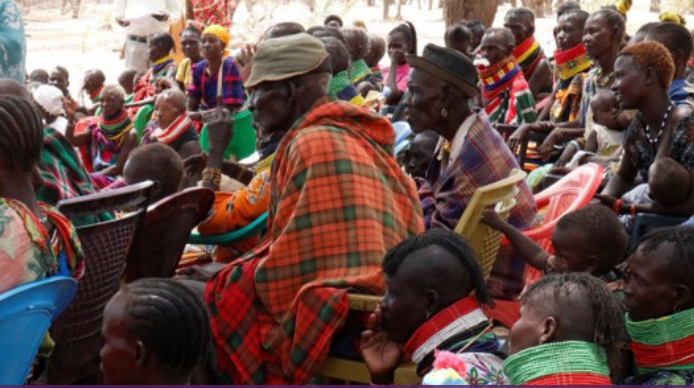
While drought affects entire communities, evidence from previous emergencies shows that its social consequences are uneven. Women and children often absorb the heaviest impact as households grapple with displacement, loss of income, and resource scarcity. The meeting drew on lessons from previous drought and flood responses, where humanitarian interventions focused primarily on food, water, and shelter — often treating protection as secondary. Experience has shown that such approaches leave critical gaps, especially for women and children.
The engagement between AFOSC Kenya and NGEC signals growing recognition that drought is not only a humanitarian challenge but a governance test.