
Kenya has taken a significant step towards modernising its response to sexual offences following the validation of the draft Sexual Offences (Amendment) Bill, 2026, a proposed law that seeks to strengthen legal protection against emerging forms of sexual exploitation driven by rapid technological change and evolving patterns of abuse.
The validation of the Bill by the National Council on the Administration of Justice (NCAJ) Committee on the Review of Sexual Offences on 10 July 2026 marks a key milestone in the country's ongoing legal reform process. The draft legislation is scheduled for submission to the full NCAJ on 28 July 2026 before advancing through the remaining legislative processes
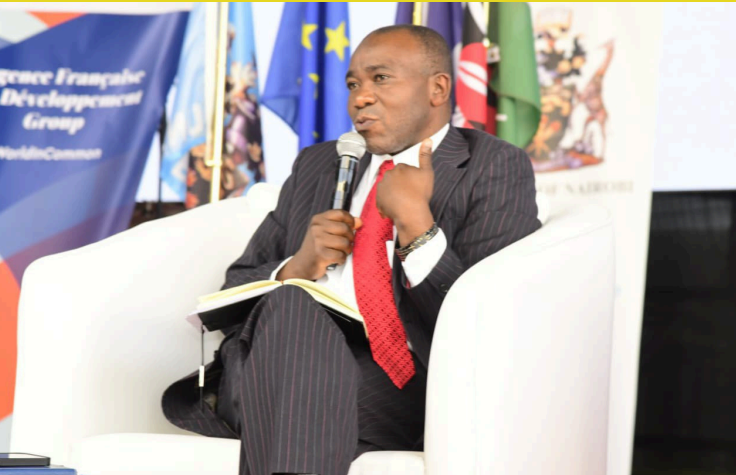
The National Gender and Equality Commission (NGEC) is among the institutions participating in the review through Mr Desire Njamwea, Assistant Director, who serves as the Vice Chairperson of the NCAJ Committee on the Review of Sexual Offences. The Commission's participation reflects its continued role in supporting legal reforms that strengthen equality, protect vulnerable groups and improve access to justice for survivors of sexual and gender-based violence.
The proposed amendments come nearly two decades after the enactment of Kenya's Sexual Offences Act, a landmark law that significantly strengthened the country's response to sexual violence. However, the rapid growth of digital technologies, social media platforms and artificial intelligence has introduced new forms of abuse that existing legislation was not originally designed to address.
One of the most significant reforms contained in the Bill is the proposed criminalisation of voyeurism, making it an offence to record, observe or capture images of a person engaged in a private act without their knowledge or consent. While advances in mobile technology have made image and video recording widely accessible, they have also increased opportunities for serious violations of privacy that can result in lasting psychological, social and economic harm to victims. The Bill also proposes new offences targeting the misuse of artificial intelligence to generate or manipulate sexually explicit images and videos without an individual's consent.
Commonly referred to as deepfakes, these AIgenerated images and videos are becoming an emerging global challenge, enabling perpetrators to fabricate realistic intimate content that can be used to humiliate, harass, blackmail or extort victims. International studies indicate that the overwhelming majority of sexually explicit deepfake content circulating online disproportionately targets women, highlighting the growing gender dimension of technology-facilitated abuse.
Another key proposal addresses image-based sexual exploitation, including the nonconsensual sharing of intimate images and the growing use of such material for coercion, intimidation and extortion. The increasing prevalence of smartphones, encrypted messaging platforms and social media has expanded opportunities for offenders to exploit victims through threats to publish intimate content, often causing profound emotional distress and discouraging survivors from reporting offences.
Justice sector stakeholders have increasingly recognised that many existing criminal laws were enacted before these technologies became widespread, creating legal gaps that make it more difficult to investigate and prosecute emerging forms of online sexual abuse. The proposed amendments therefore seek to ensure that Kenya's legal framework keeps pace with technological developments while strengthening protection for victims in both physical and digital spaces.
Beyond introducing new criminal offences, the review process has also focused on strengthening survivor protection and improving the effectiveness of the justice system. Previous consultations by the NCAJ Committee identified persistent challenges in the investigation and prosecution of sexual offences, including evidentiary gaps, delays in case determination, barriers to reporting and low conviction rates. Addressing these systemic challenges remains central to improving access to justice for survivors.
The reforms also reflect Kenya's constitutional commitment to protecting human dignity, equality, privacy and freedom from violence. The Constitution guarantees every person the right to equal protection and equal benefit of the law, while requiring public institutions to safeguard vulnerable groups from discrimination and abuse. Strengthening the Sexual Offences Act therefore represents not only a legal reform but also an important step towards fulfilling these constitutional obligations.
For the Commission, the validation of the draft Bill reinforces the importance of responsive legislation that evolves alongside emerging risks facing society. As technology continues to reshape communication, relationships and access to information, legal frameworks must equally adapt to protect individuals from new forms of exploitation that increasingly occur online rather than solely in physical spaces.
As the draft Sexual Offences (Amendment) Bill advances through the legislative process, it represents an opportunity to strengthen Kenya's legal response to contemporary forms of sexual exploitation while reinforcing public confidence in the justice system. Modernising the law to address technology-facilitated sexual offences is increasingly recognised as essential to protecting privacy, safeguarding human dignity and ensuring that survivors can access timely, effective and meaningful justice in an increasingly digital society.