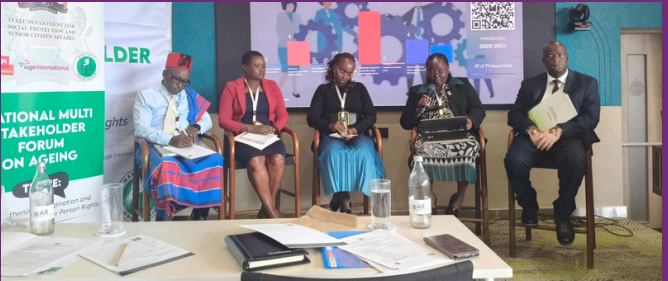
As Kenya’s population ages, a quiet but urgent question is emerging: are the country’s systems ready to protect the rights and dignity of its older citizens?
This question took Centre stage at a recent multi-stakeholder forum on ageing, where government agencies, civil society organizations and development partners gathered to examine the realities facing older persons in Kenya and to chart a more coordinated path forward.
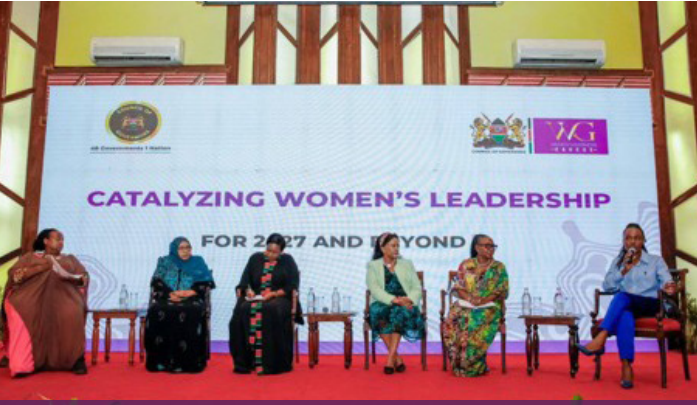
The National Gender and Equality Commission (NGEC), represented by its Disability and Elderly Division, joined the forum as a panelist, bringing the Commission’s constitutional mandate on equality and inclusion into the national conversation on ageing.
The discussions reflected a growing recognition that protecting the welfare of older persons is not merely a social concern but a governance and human rights priority.
Kenya’s Constitution recognizes the rights of older members of society as part of the broader commitment to equality and freedom from discrimination. Yet translating those protections into lived realities remains an ongoing challenge. Participants at the forum examined available data, policy frameworks and lived experiences of older persons across the country. While Kenya has made progress in recognizing the rights of the elderly, significant gaps remain in implementation, coordination and access to services.
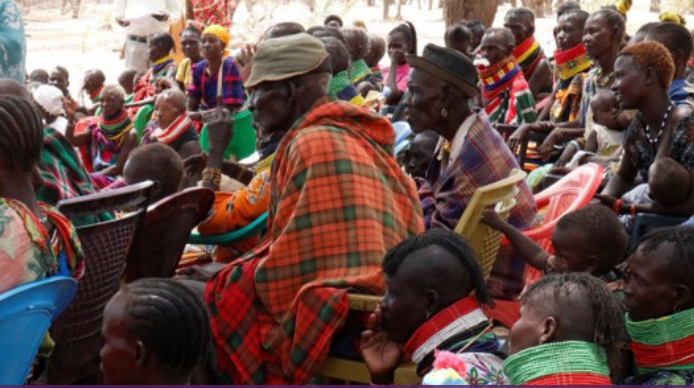
During the panel discussion, NGEC outlined key milestones achieved in advancing the rights of older persons, while also highlighting persistent barriers that continue to limit their full participation in social, economic and public life. Healthcare access, social isolation and weak institutional protection, particularly in rural and marginalized communities.
One of the central themes emerging from the forum was the need for stronger coordination among institutions working on ageing and social protection.
Stakeholders acknowledged that while multiple programmes exist, fragmented implementation often undermines their impact.
To address this gap, the forum explored the establishment of a Multi-Stakeholder Technical Working Group on Older Persons and Ageing, which would bring together government agencies, civil society organizations and experts to strengthen collaboration and policy implementation.
Such a platform, participants argued, could help streamline interventions, improve data sharing and ensure that policies designed to protect older persons translate into practical support.
Data, dignity and inclusion Another challenge highlighted during the discussions was the shortage of reliable, comprehensive data on ageing in Kenya.
Without accurate data on the number, conditions and needs of older persons, policymakers often struggle to design targeted programmes that respond to their realities.
The Commission stressed that improved data systems are essential for effective planning and resource allocation, particularly as Kenya’s elderly population continues to grow.
At the heart of the discussion, however, was a broader principle: the dignity of older persons must remain central to national development. Ensuring access to healthcare, social protection, safe living conditions and participation in community life is not merely a welfare issue but a matter of human rights. Beyond statistics and policy frameworks lies a deeper principle: the dignity of older persons. Access to healthcare, social protection, safe housing and community participation are not privileges but rights that must be protected. Ensuring that older citizens remain visible in national development agendas reflects a society’s commitment to equality and social justice.
For the National Gender and Equality Commission, safeguarding the rights of older persons is both a constitutional obligation and a moral imperative. How a nation treats its elderly often reveals the depth of its humanity — and the strength of its commitment to leaving no one behind.
Kenya has made notable progress in expanding social protection programmes that benefit older persons. The Older Persons Cash Transfer Programme, for instance, has provided financial support to thousands of elderly citizens nationwide. The programme, administered by the government, aims to cushion vulnerable older persons against extreme poverty and to improve their access to basic needs. While the programme has had positive impact, stakeholders at the forum noted that gaps remain in coverage, awareness and sustainability.
The Commission emphasised that many elderly Kenyans still face poverty, limited