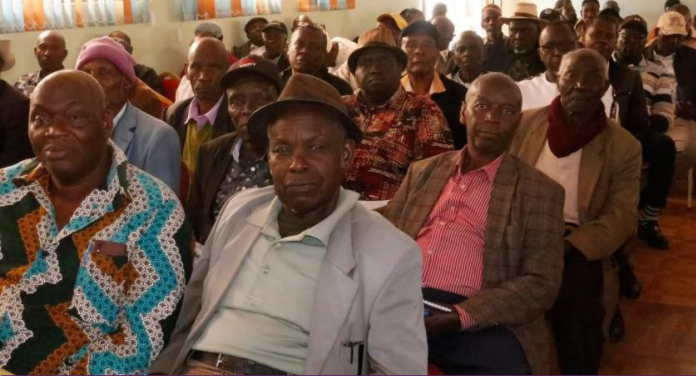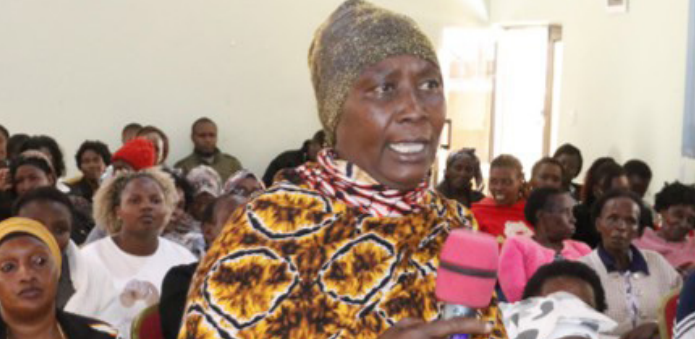
KISUMU, Kenya — More than 40 women leaders, community representatives and human rights defenders from Kakamega, Vihiga and Siaya counties have called for stronger public participation, greater transparency in mining activities, and enhanced protection of community rights as Kenya continues to expand investment in its extractive sector.
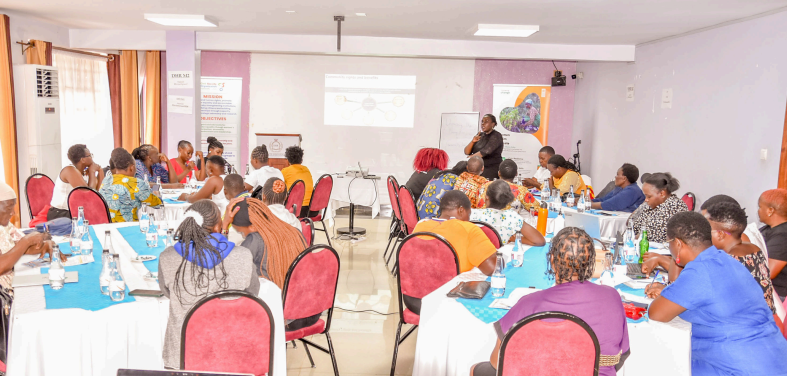
The concerns emerged during a capacitybuilding forum convened by the National Gender and Equality Commission (NGEC), which brought together participants from communities affected by or likely to be impacted by mineral exploration and extraction activities. The session focused on strengthening awareness of the Mining Act, 2016 and the Community Land Act, while equipping participants with knowledge on their rights, responsibilities and opportunities for engagement in natural resource governance.
Facilitated by Ms Anne Anyango of the Commission's Kisumu Regional Office, the engagement examined how constitutional guarantees on equality, participation, non-discrimination and community rights can be translated into meaningful involvement of women, youth and marginalized groups in decisions concerning land, mining and resource development. The discussions come at a time when Kenya is increasingly positioning the extractive sector as a contributor to economic growth, employment creation and revenue generation. Across several counties, communities are witnessing increased exploration activities, growing investor interest, and expanded use of technologies for geological surveys and resource mapping.
While these developments present opportunities for local development, stakeholders at the forum noted that they also raise important questions regarding community participation, land rights, benefit sharing and accountability.
The forum highlighted the importance of the Mining Act, 2016, which provides mechanisms for community engagement and benefit-sharing, and the Community Land Act, which seeks to protect community land rights and provide procedures for the recognition, registration and management of community land. Participants observed that despite the existence of these legal safeguards, implementation challenges continue to limit the full realization of rights guaranteed under the law.
Among the key concerns raised was the limited access to land ownership and registration documentation, particularly among women and vulnerable households. Participants noted that inadequate documentation can weaken communities' ability to engage effectively in negotiations and decision-making processes related to land use and natural resource projects.
Women leaders attending the forum emphasized that access to information remains a significant challenge in many areas. They reported that communities are often informed about projects after key decisions have already been made, reducing opportunities for meaningful participation. Participants stressed that public engagement should begin at the earliest stages of project planning and continue throughout the lifecycle of mining and exploration activities.
The discussions also examined barriers that affect the participation of women, youth and marginalized groups in governance processes. Participants noted that although public participation forums are routinely held, representation does not always translate into meaningful influence over outcomes. Some observed that women and young people are frequently underrepresented in community decision-making structures despite being directly affected by land and resource management decisions.
Stakeholders further raised concerns regarding the growing use of drones, satellite imagery and geospatial mapping technologies during exploration activities. While acknowledging the value of technology in supporting resource assessment and planning, participants noted that inadequate public awareness and sensitisation regarding these processes have, in some communities, generated uncertainty and mistrust.
The Commission emphasized that effective governance of natural resources requires inclusive consultation processes that recognize and protect the rights of all community members.
Particular attention was given to ensuring that women, youth, persons with disabilities, minorities and marginalized groups are not excluded from discussions that influence the management and utilization of community resources. Stakeholders noted that as Kenya continues to pursue economic opportunities within the extractive sector, there is an increasing need to strengthen civic education and public awareness on land and mining laws.