NAIROBI, Kenya — The National Gender and Equality Commission (NGEC) has intensified efforts to strengthen electoral accountability and inclusive governance ahead of the 2027 General Elections following a high-level engagement with representatives of UN Women and the Office of the United Nations High Commissioner for Human Rights (OHCHR).
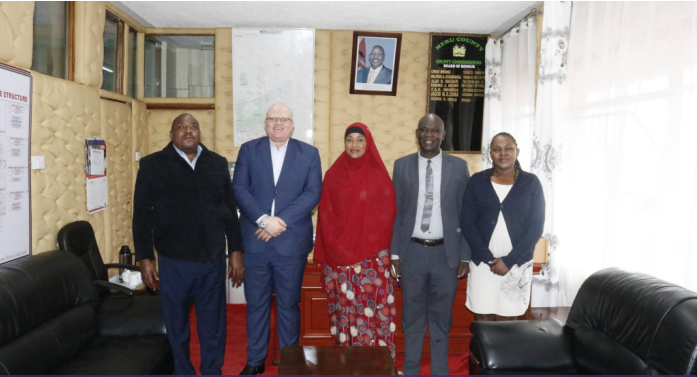
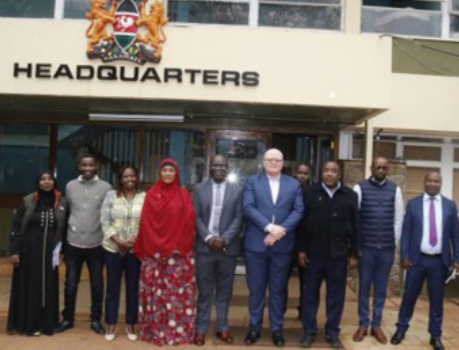
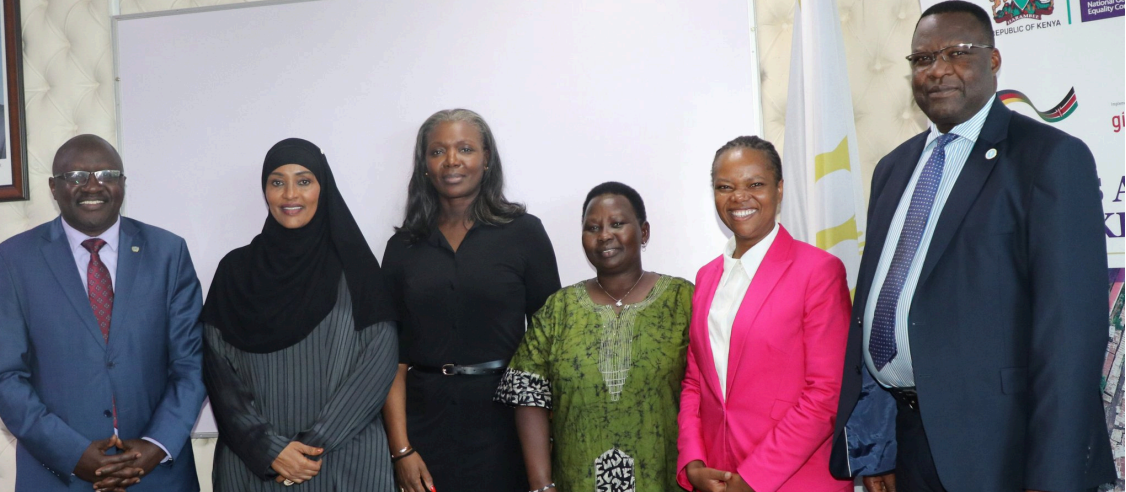
The Commission hosted a courtesy visit by the Kenya Country Representative of UN Women, Ms. Antonia N'Gabala-Sodonon, and the Kenya Country Representative of OHCHR, Mr. Charles Kwemoi, to explore areas of collaboration aimed at promoting equality, protecting human rights and supporting democratic governance during the electoral cycle. Both officials currently lead their respective United Nations agencies in Kenya. The meeting comes at a time when attention is increasingly turning towards preparations for the 2027 General Elections, with institutions, development partners and civil society organizations emphasizing the importance of early interventions to safeguard electoral integrity, inclusion and participation.
During the discussions, NGEC Chairperson Hon. Rehema Jaldesa reaffirmed the Commission's constitutional mandate to promote equality and freedom from discrimination and to ensure that governance systems remain responsive to the needs of all Kenyans, particularly Special Interest Groups. The Commission highlighted its ongoing work in monitoring compliance with the constitutional twothirds gender principle, engaging political parties on inclusive nomination processes, and advocating for the removal of barriers that continue to limit the participation of women, youth, persons with disabilities, minorities and marginalized communities in political leadership and decision-making.
Participants observed that while Kenya has made progress in strengthening democratic institutions and expanding political participation, significant gaps remain in achieving equitable representation in elective and appointive positions.
The implementation of the two-thirds gender principle remains one of the country's longstanding governance challenges, with women continuing to be underrepresented in many leadership structures despite constitutional guarantees on equality and inclusion.
The meeting also explored opportunities for enhanced collaboration on electoral monitoring and evidence-based reporting.Stakeholders noted that credible data and timely analysis play a critical role in identifying emerging challenges, informing policy interventions and strengthening accountability during electoral processes.
A key area of discussion was the need to expand civic and voter education initiatives, particularly among groups that have historically faced barriers to participation. The engagement further highlighted the importance of protecting civic space before, during and after elections. Participants acknowledged that open civic engagement, freedom of expression, public participation and respect for human rights are essential components of a democratic electoral environment. They emphasized the need for sustained efforts to ensure that all citizens can participate in public affairs without discrimination, intimidation or exclusion.
The courtesy visit reaffirmed the shared commitment of NGEC, UN Women and OHCHR to promoting democratic governance founded on human rights, equality and accountability.
The institutions committed to strengthening collaboration on programmes and initiatives aimed at enhancing electoral inclusion, protecting civic freedoms and supporting evidence-driven approaches to governance.