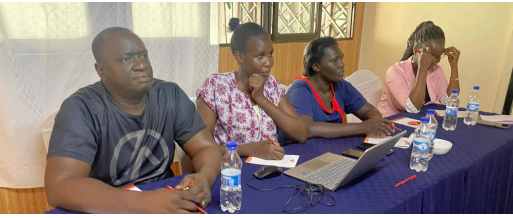
In a groundbreaking dialogue convened by the National Gender and Equality Commission (NGEC) Kisumu Regional Office, stakeholders gathered to examine the systemic barriers that continue to marginalize PWDs, with a focus on ensuring equitable access to education, participatory governance, and protection for women and girls facing sexual and gender-based violence (SGBV).
Education remains a formidable barrier for many PWDs in Kisumu. Despite constitutional guarantees, children and youth with disabilities face limited access to quality schooling, lack of inclusive materials, and insufficient teacher training in sign language and adaptive methodologies.
For the Deaf Community, these challenges are particularly acute. Many schools lack qualified instructors, interpreters, and assistive devices, leaving students reliant on informal networks or family members to access education.
These educational inequities extend into adulthood, limiting opportunities for employment, civic participation, and economic independence. NGEC highlighted that inclusive education is not merely a policy requirement but a human rights imperative, critical to unlocking potential and ensuring meaningful participation in society.
Equally pressing is the systemic exclusion of PWDs from county development and decision-making platforms.
Despite legal mandates for inclusive governance, many PWDs report being left out of consultations, budgetary planning, and oversight committees, effectively silencing their perspectives on policies that directly affect their lives.
The dialogue stressed that inclusion in governance is essential for responsive, accountable, and equitable development. Stakeholders called for structured mechanisms that ensure PWDs’ active engagement, including accessible meeting spaces, interpreters, and tailored communication channels.
The forum also shed light on the heightened vulnerability of women and girls with disabilities to sexual and gender-based violence (SGBV). Participants emphasized that exclusion from decision-making and lack of awareness exacerbate risks, leaving survivors without adequate protection or recourse.
NGEC stressed that inclusive information dissemination is critical, advocating for sign language interpretation, accessible written materials, and community-based outreach programs.
.JPG)