In Kenya’s remote and historically marginalised regions, the promise of equality often collides with the realities of limited awareness, weak institutional access and persistent social barriers. Bridging that gap requires institutions to move beyond offices and into communities themselves.
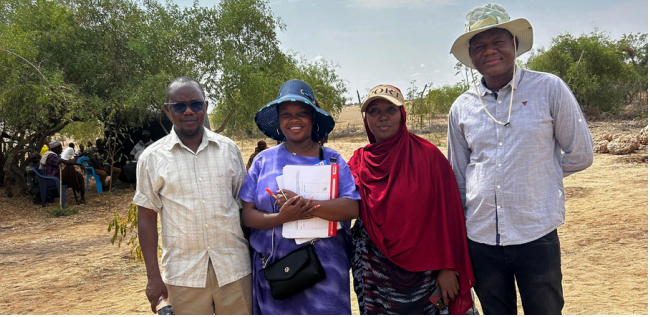
It is against this backdrop that the National Gender and Equality Commission (NGEC), led by Chairperson Hon. Rehema Jaldesa, undertook an intensive civic education and public engagement mission across Isiolo South. The outreach sought to deepen public understanding of constitutional rights while advancing the Commission’s mandate to promote equality, inclusion and freedom from discrimination at the grassroots.
The mission focused on Special Interest Groups including women, girls, persons with disabilities and marginalised communities whose lived experiences continue to reveal structural barriers to justice, representation and economic opportunity.
Established under the National Gender and Equality Commission Act of 2011, NGEC is mandated to promote gender equality and protect the rights of vulnerable groups while monitoring compliance with constitutional principles of equality and non-discrimination across public institutions.
In Sericho Ward and neighboring areas, community dialogues revealed a stark reality: many citizens remain unaware of their rights or the mechanisms available to report violations.
Residents spoke candidly about limited knowledge of reporting pathways in cases of gender-based violence, harmful cultural practices and discrimination. For many women and vulnerable groups, these information gaps remain one of the most powerful drivers of vulnerability and exclusion.
Community members described the challenges they face when seeking justice — from lack of awareness about referral institutions to the logistical barriers of accessing government services in remote areas.
Such concerns underscore a broader national challenge. Despite progressive constitutional protections, the effectiveness of rights-based frameworks depends heavily on public awareness and accessible institutions.
During the engagement, the Commission worked to strengthen public understanding of its mandate while clarifying available referral pathways for victims of discrimination, violence and rights violations.
Participants were guided on how to report cases, access legal and institutional support and engage with relevant government agencies responsible for addressing rights violations.
The Commission also emphasised institutional accountability, reminding communities that public bodies have a legal obligation to uphold constitutional principles of equality and nondiscrimination.
For NGEC, civic education remains a critical tool in dismantling systemic barriers that prevent vulnerable populations from fully exercising their rights.
The mission in Isiolo South also included the Commission’s monitoring of the Isiolo South byelection, underscoring NGEC’s oversight role in safeguarding inclusive and credible democratic processes.
Electoral participation remains a critical component of equality. Ensuring that women, persons with disabilities and marginalised communities can participate freely in political processes is central to Kenya’s democratic development.
Through its monitoring role, the Commission observes electoral processes to ensure that they remain transparent, inclusive and free from discrimination.
Such oversight helps protect the political rights of vulnerable groups whose voices have historically been underrepresented in governance and decision making. Beyond civic education, the engagement served as an important listening exercise for the Commission