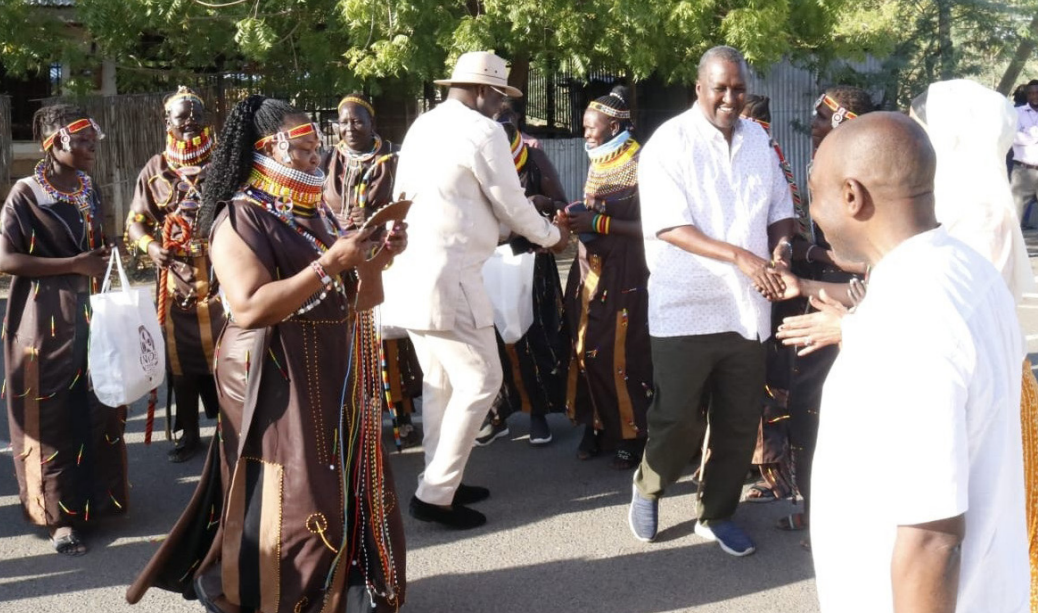
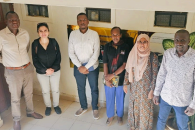
The Isiolo Regional Office of the National Gender and Equality Commission (NGEC) hosted a delegation from Plan International Kenya, including representatives from Somalia, in a strategic engagement aimed at strengthening community-based responses to Gender-Based Violence (GBV) in the Horn of Africa.
The meeting focused on enhancing reporting pathways, community feedback mechanisms, and survivor-centered interventions, underscoring a shared commitment to ensure that the voices of vulnerable populations inform justice processes and social protection strategies.
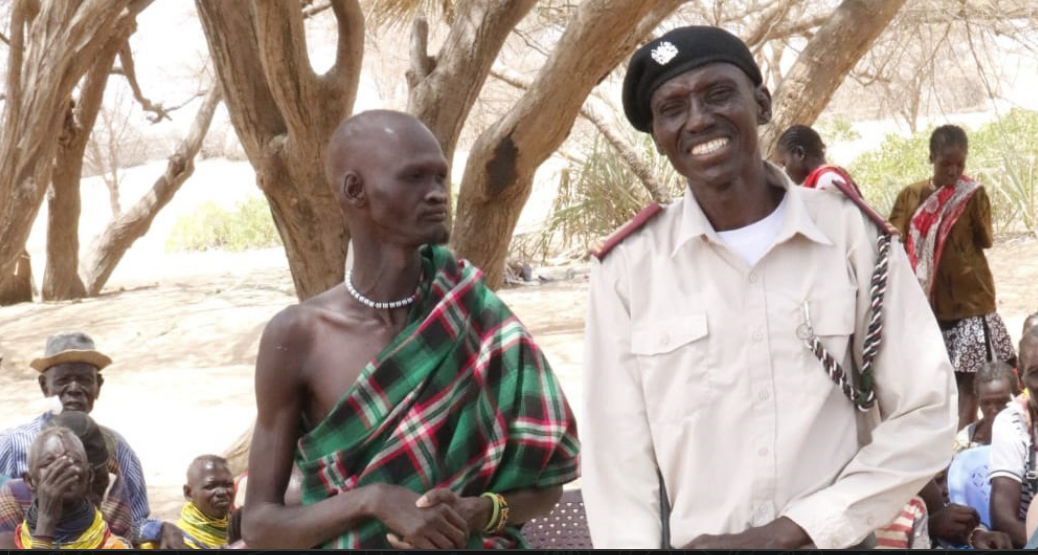
Isiolo County, situated at Kenya’s northern corridor, is uniquely characterized by crossworder mobility, pastoralist livelihoods, and socioeconomic vulnerabilities, which compound the risks of GBV. Reports from community-based organizations indicate that women and girls frequently face sexual violence, domestic abuse, and early marriage, while access to justice remains limited due to cultural stigma, remoteness, and lack of awareness.
A case study from Garba Tula subcounty highlights these challenges. A young mother, Fatima*, was unable to report repeated domestic abuse because the nearest police station was more than fifty kilometers away, and cultural norms discouraged women from speaking out. Intervention by a community based paralegal program, supported by NGEC and Plan International, helped Fatima access legal counsel, medical care, and psychosocial support, demonstrating the critical role of localized, survivor-focused initiatives.
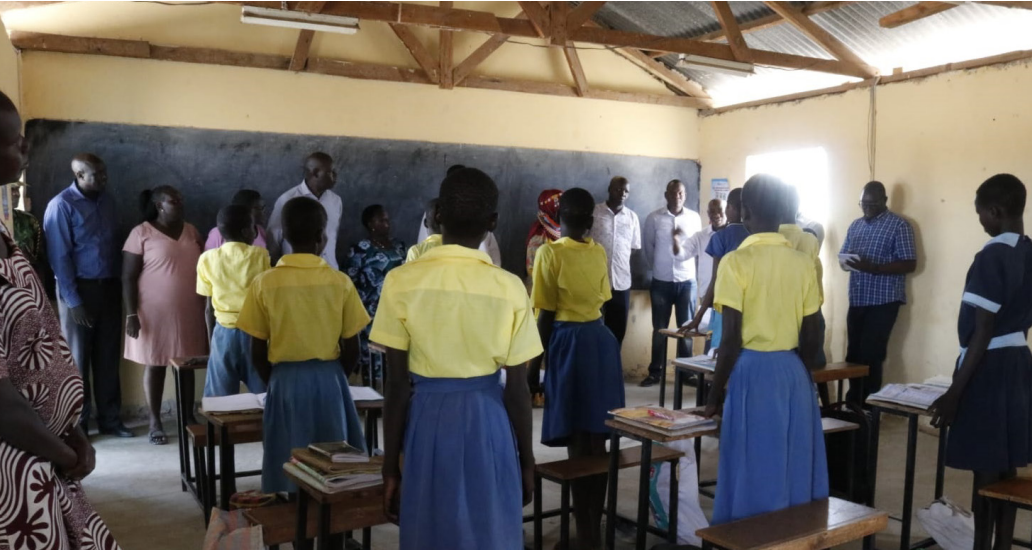
Similarly, in Isiolo town, adolescent girls in informal settlements face sexual harassment and exploitation during commutes to school. Community forums facilitated by NGEC have enabled survivors to report incidents safely, while raising awareness among parents, teachers, and local authorities. These examples illustrate the urgent need for robust reporting and support systems.
NGEC and Plan International discussed mechanisms for harmonized reporting, knowledge exchange, and regional policy alignment, ensuring that interventions are not confined by administrative borders. This approach strengthens accountability and ensures that prevention and response mechanisms are consistent across communities.
By fostering partnerships with development actors such as Plan International, the Commission continues to advance inclusive protection systems, strengthen accountability mechanisms, and ensure that marginalized groups have equitable access to justice.
.JPG)