Many learners with disabilities arrived in senior school without the assessment reports needed to plan their support, the National Gender and Equality Commission found, leaving receiving schools to assess them after admission.
Section 20 of the Persons with Disabilities Act, 2025, in force since 27 May 2025, gives every learner with a disability the right to assessment and to placement in an appropriate institution. It requires the Ministry responsible for education to establish at least one assessment centre in every county, and makes denial of admission on the basis of disability an offence.
Assessment documents already move through the system at examination time. KNEC’s 2026 registration circulars for KPSEA and KJSEA require candidates with special needs to be registered with a medical report and an assessment report from the sub-county Educational Assessment and Resource Centre (EARC).
"Placement must follow assessment. Schools must be accessible by design.” Hon. Rehema Jaldesa, Chairperson, National Gender and Equality Commission
In September 2026, Education Cabinet Secretary Julius Migos Ogamba said the Ministry was reviving EARCs, starting with ten regional facilities, after the centres fell into disrepair from 2019 and through the COVID-19 period. The country previously had 46 district centres and ten regional ones. He said the exercise would generate reliable data on learners with special needs and guide staffing, teacher training and equipment purchases.
In January, when a Grade 10 learner’s admission to Lenana School was delayed pending a further medical assessment, KISE deployed assessors to the school. “We have sent assessors to determine the nature and degree of the disability so the school can put in place the right interventions,” KISE Deputy Director Programmes Daniel Sanoe told The Standard.
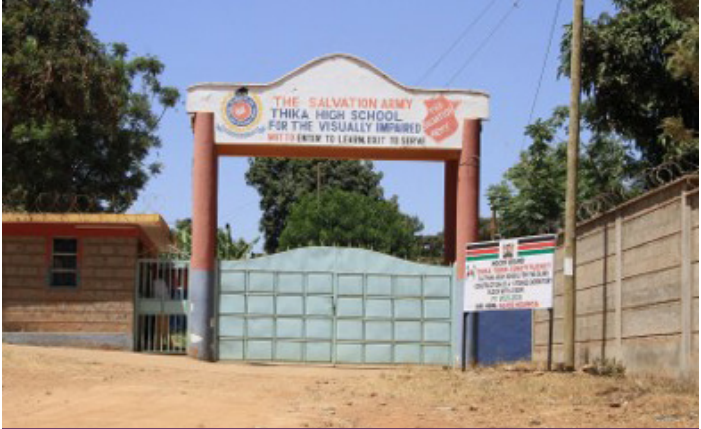
The Commission found that the special schools it assessed had built their own systems to fill the gap. Thika High School for the Visually Impaired assessed learners who arrived without documentation and followed up with parents to complete formal assessment. At Joytown Secondary School, physiotherapists and occupational therapists assessed learners on an ongoing basis. Some disabilities, such as low vision or neurodevelopmental conditions, are easily missed without proper assessment, the report notes.
THE NEXT COHORT
The Commission recommends that the Ministry, working with KISE, ensure every learner with a disability is assessed before transition, establish the county assessment centres the Act requires, and make sure assessment reports accompany learners to the receiving school. It asks KISE to share functional assessment results with the Ministry and receiving schools, and the Ministry to consult learners and parents and provide a timely way to review unsuitable placements.
The 1,206,028 learners registered for this year’s KJSEA, which closed on 30 October, form the cohort due to enter senior school in January 2027.