Learners with disabilities in schools assessed by the National Gender and Equality Commission are concentrated in two special schools that reported 487 such learners. Five mainstream schools reported 23 in total.
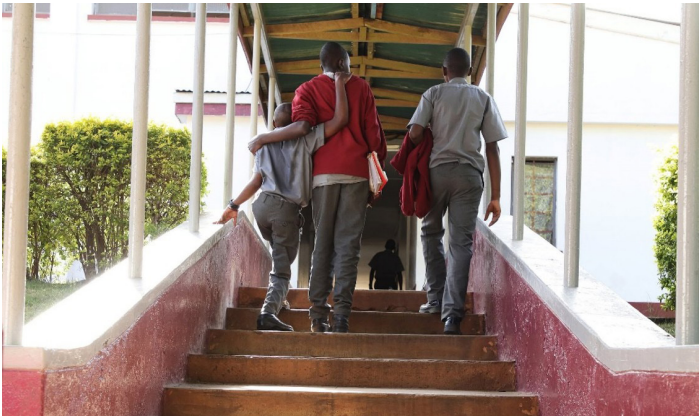
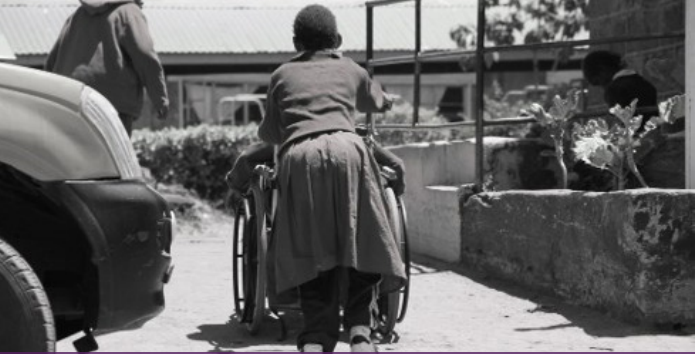
Joytown Secondary School reported 391 learners with physical disabilities, and 20 of its 27 teachers are trained in special needs education (SNE). Its partnership with BethanyKids provides physiotherapy, occupational therapy and rehabilitation, while the Safaricom Foundation, Mastercard Foundation, KCB Bank and Special Olympics Kenya support learner welfare, sponsorship and sport. Its dormitories, classrooms, laboratories and dining hall were overcrowded, and its computer laboratory only partly equipped.
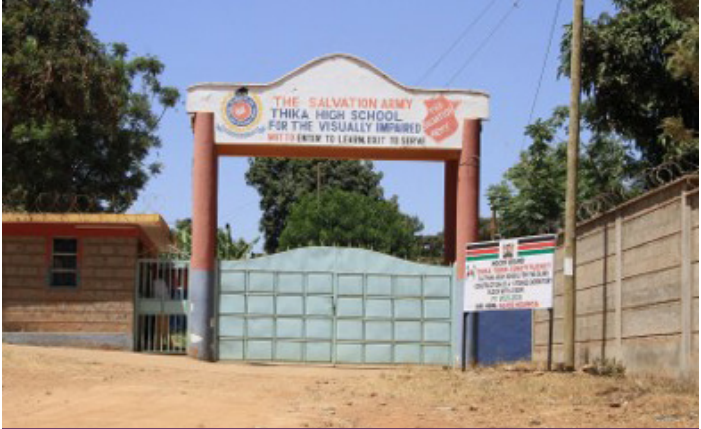
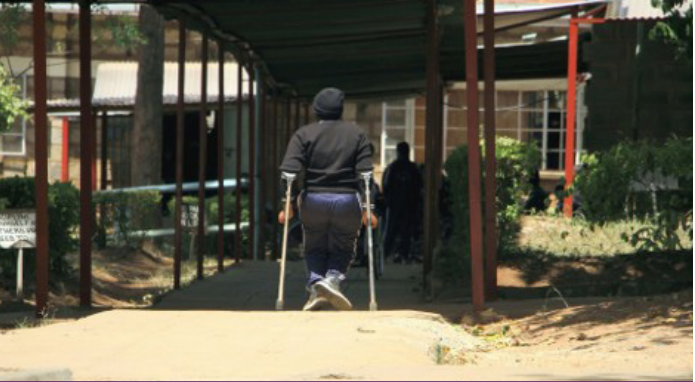
Thika High School for the Visually Impaired reported 96 learners with visual impairments or albinism. It works with Thika Level 5 Hospital, the Directorate of Social Development, the National Council for Persons with Disabilities (NCPWD) and local National Government Administration Officers. The assessment team observed steep and narrow ramps, uneven paved pathways and ongoing construction, and the school reported shortages of braille, large-print and assistive technology
MAINSTREAM SCHOOLS ADAPTING
"Specialised teachers, assistive devices and accessible learning materials must be funded as a matter of right, not left to charity.” Hon. Rehema Jaldesa, Chairperson, National Gender and Equality Commission
Upper Hill Secondary School had one learner with a disability and one of its 62 teachers trained in SNE; most of its dormitories are upstairs. Moi Girls Secondary School had six learners with visual impairments, provided talking calculators and adapted spaces, and worked with Kikuyu Hospital, the Mt. Kilimanjaro Trust and the Kenya National Library Service.
Ngara Girls High School had five learners with physical disabilities, scoliosis and cerebral palsy, three of 58 teachers trained in SNE and the only disability mainstreaming committee among the five. Some of its ramps were too steep to use safely. Aquinas High School had ten learners, separate sleeping cubicles and accessible classrooms, but no fully accessible washrooms and no SNE-trained teacher among 53. Moi Forces Academy had one learner and no formal inclusion structure.
A SHARED BURDEN
The report concludes that neither special nor mainstream schools, on their own, can absorb the growing number of learners with disabilities entering senior school. In special schools the quality of support falls as enrolment rises; in mainstream schools learners are admitted but not fully included.
The shortage of specialised teachers extends below senior school. In the Commission’s 2025 study of public primary schools in 19 marginalised counties, an average of 7.7 per cent of teachers had been trained in SNE.
The Commission recommends that the Ministry of Education ease overcrowding in special schools and apply universal design to all new construction, that the Teachers Service Commission deploy SNE specialists, including in braille, Kenya Sign Language and orientation and mobility, and that NCPWD supply assistive devices, prioritising schools without donor support.