GARISSA– In a decisive move to deepen access to justice among marginalized groups, the National Gender and Equality Commission (NGEC), in partnership with the Kenya Judiciary and led by Hon. Justice John Onyiengo, convened a Court Users Committee (CUC) outreach session yesterday in Garissa. The initiative sought to bolster legal awareness, dismantle systemic barriers and equip women, youth and persons with disabilities with practical knowledge of their rights under Kenyan law.
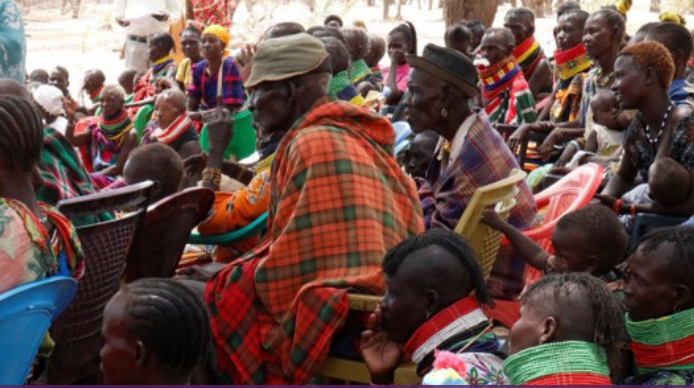
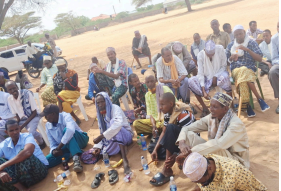
At the Garissa Law Courts, a crowd of over 200 community members— including local activists, entrepreneurs and representatives of persons with disabilities—gathered in a packed hall. “Too often, justice remains a distant ideal for those who need it most,” Justice Onyiengo said. “Today, we bring the bench to the people, ensuring that knowledge of the law is not confined to courtrooms but shared across the county.”
Kenya’s 2010 Constitution enshrines equality and non-discrimination as pillars of the republic. But constitutional promises often stumble in the face of local realities, especially in historically marginalized counties such as Garissa.
For many here, courtrooms feel worlds away—both geographically and socially. Women in particular, due to cultural, economic, and systemic constraints, rarely seek legal redress. PWDs, similarly, face infrastructural, communicational, and attitudinal barriers.
Recognizing this, the NGEC’s Garissa regional office took an active role in facilitating the forum, aligning its engagement with its core mission: to promote gender equality and freedom from all forms of discrimination.
“We are here to listen, to learn, and to empower,” said Abdiwahab Mohamed, NGEC’s Garissa Regional head. “Legal awareness is the foundation of meaningful inclusion. If you don’t know your rights, you cannot claim them.”
Participants split into thematic focus groups. Women’s circles examined legal protections against gender based violence under the Sexual Offences Act (2006) and the Protection against Domestic Violence Act (2015), while youth workshops covered rights to political participation under Article 55 of the Constitution. A specially tailored session for persons with disabilities demonstrated how to access Braille and sign-language services, as enshrined in Article 54.
This outreach couldn’t have come at a more critical time. With the country grappling with economic pressures, cultural conservatism, and a widening inequality gap, vulnerable populations are increasingly at risk of exclusion.