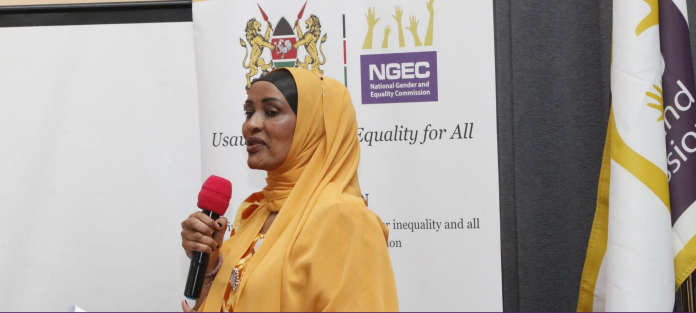
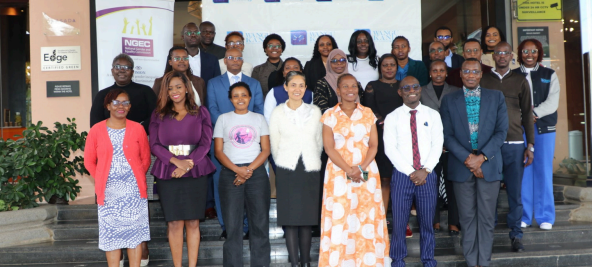
The National Gender and Equality Commission (NGEC) participated in a stakeholder review meeting on the National Forensic Science Bill, 2026, focused on strengthening an independent, structured and responsive forensic science framework to enhance access to justice and accountability in Kenya. The engagement brought together forensic science practitioners and policy stakeholders who undertook a technical review of the proposed legislation, identifying key areas requiring refinement to improve institutional clarity, operational effectiveness and alignment with constitutional principles.
The review process examined the proposed legal and institutional arrangements governing forensic science services. Forensic science practitioners presented a detailed technical analysis of the Bill, unpacking key provisions and assessing their practical implications within the justice system. Their input highlighted the need for a coherent governance structure that clearly defines institutional roles and responsibilities. Stakeholders underscored that an independent and well-structured forensic system is critical to strengthening credibility, reliability and public confidence in scientific evidence used in legal processes.
The discussions highlighted the central role of data systems and evidencebased policymaking in the development of an effective forensic science framework. It was noted that strengthened access to disaggregated and reliable data is essential for informing legislative design, implementation and monitoring processes. The review meeting called for continued technical consultations to refine the proposed provisions of the Bill and strengthen its institutional coherence.
The National Gender and Equality Commission reaffirmed its commitment to supporting legal and institutional reforms that advance equality, accountability and access to justice. Through its participation, NGEC emphasized the importance of ensuring that legislative processes are inclusive, evidence-driven and responsive to the needs of all populations, including vulnerable and marginalised groups.